




Before you head out

Choose a first running loop you can shorten
A short circuit is not automatically an easy route to shorten. The useful question is where you can leave it, and what that return would involve if you decided to walk.
Read article
Use the talk test on rolling terrain
Rolling ground makes a fixed pace a poor description of a steady effort. A brief conversation check can help you notice when a climb has changed the outing, provided you treat it as a broad guide rather than a precise measurement.
Read article
Approach a rocky descent with room to react
A rocky descent is easier to assess before speed builds. Leave yourself options: walking, pausing in a safe place or returning by a less demanding route.
Read article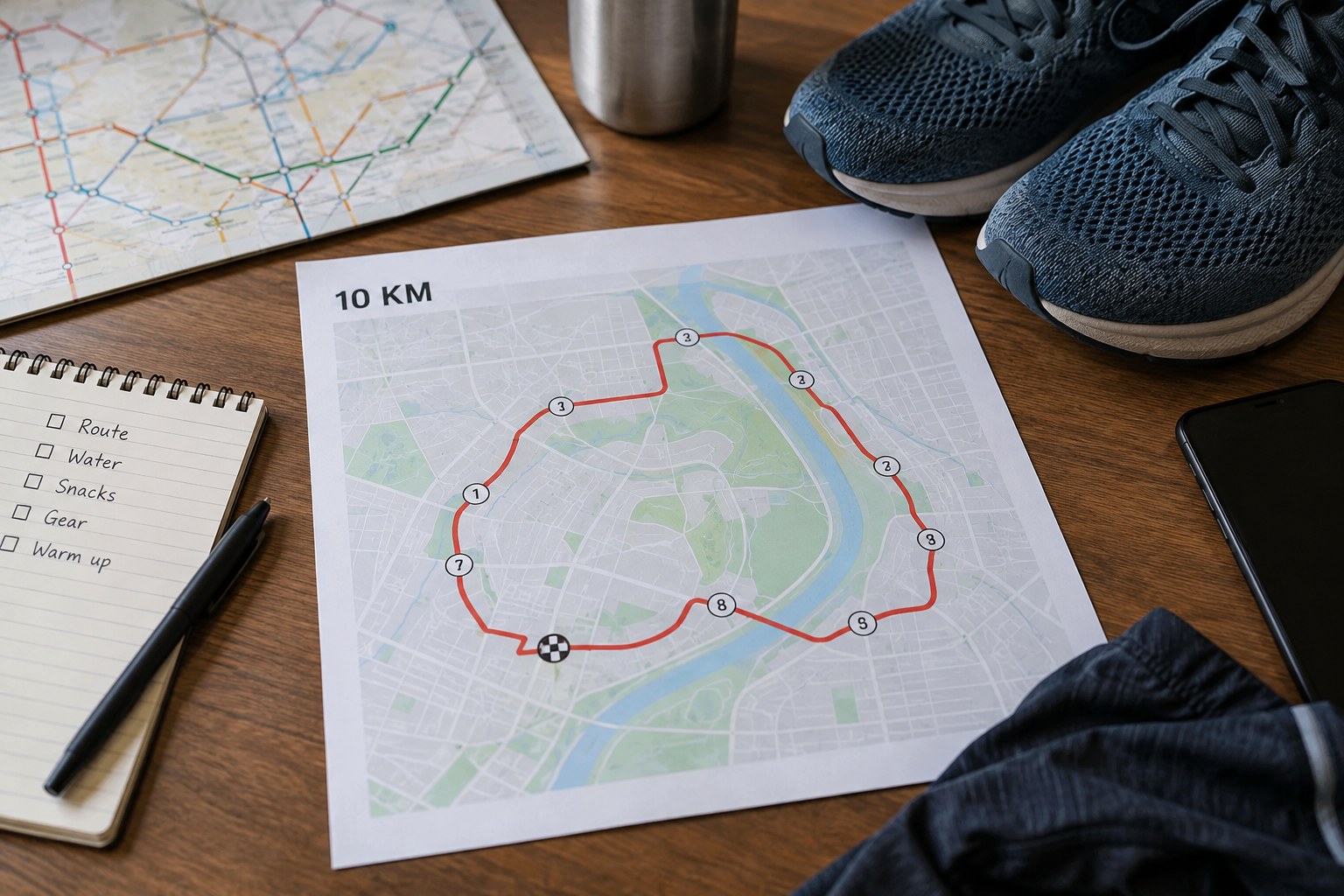
Choose a 10K by its course and logistics
Two races over the same distance can ask very different things of your day. Compare the course and the journey before comparing finish-time ambitions.
Read article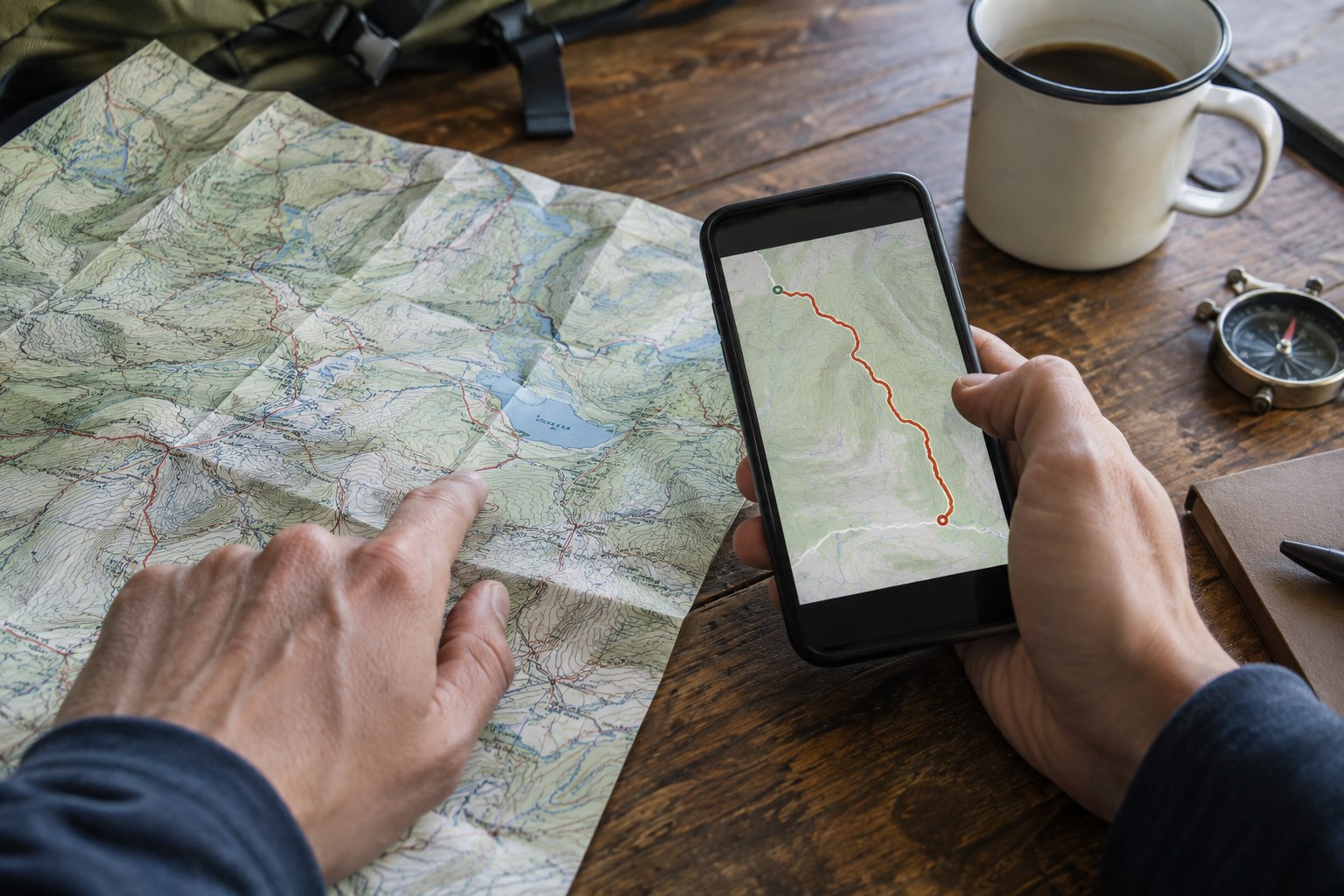
Compare an official map with a shared running track
A shared track answers where someone drew or recorded a line. A map helps you question that line. Neither should prevent you from checking current access and conditions.
Read article
The route is part of the run.
Access, terrain, maps and a way back: check the details before choosing your next loop.
Open the route notebook