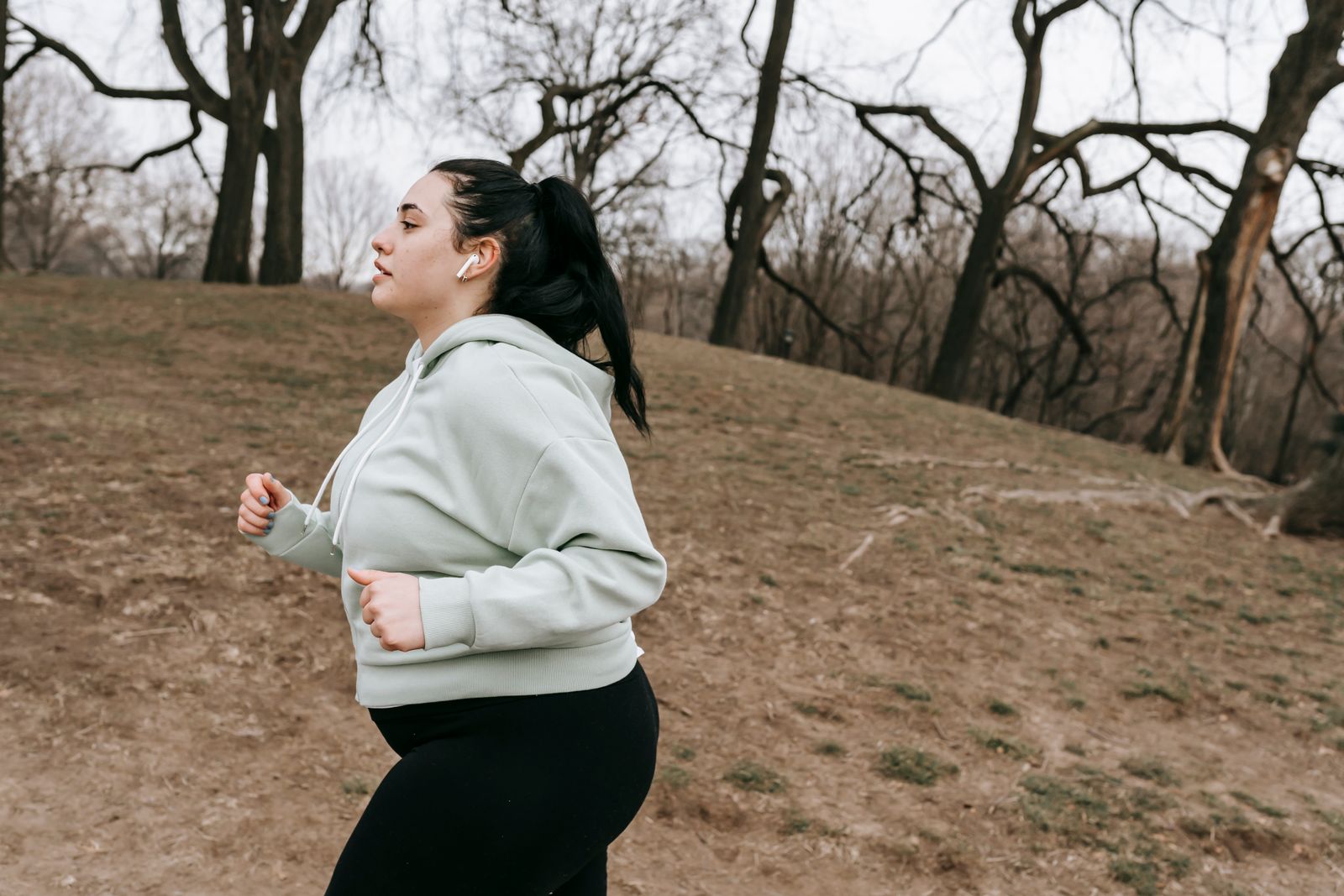
Find room to settle
Use the first familiar stretch to establish a comfortable rhythm. Avoid making an immediate judgement while crossing the road, climbing away from home or finding space among pedestrians. Those interruptions can produce a pace that says little about the effort you will use on open ground.
Let your shoulders and hands remain comfortable and notice whether you can look around without feeling that every step requires concentration. An easy run should leave attention available for the route. If you are already negotiating with yourself to reach the next landmark, reduce the pace or walk rather than waiting for the watch to confirm that the run is hard.
Make conversation a check, not an examination
If you have company, try an ordinary sentence about something around you. A reply made of isolated words suggests that the conversation is competing with your effort. Slow down and see whether speaking becomes comfortable again. This is a broad check on how you are working, not a clinical test or a guarantee that a particular effort is suitable for everyone.
On your own, you can briefly say a sentence aloud or simply notice whether breathing and movement feel controlled. There is no need to perform the check continuously. Look for the overall pattern: does the outing remain manageable, or are you repeatedly speeding up and having to recover?
Allow the number to move
A gentle incline may require a slower pace to preserve the same intention. So may a headwind, a crowded path or a less familiar surface. Trying to erase every slow section by accelerating later turns an easy outing into a series of corrections. Let the record describe what happened rather than treating it as a score to repair.
Consider hiding live pace and keeping elapsed time visible instead. Afterwards, write one short note about how the run felt before opening the speed summary. This separates your own observation from the impression created by the number. If something feels wrong rather than merely demanding, stop and address it; an easy label on a training calendar does not override symptoms or a health concern.