Start running
Make room for running in everyday life.
25 articles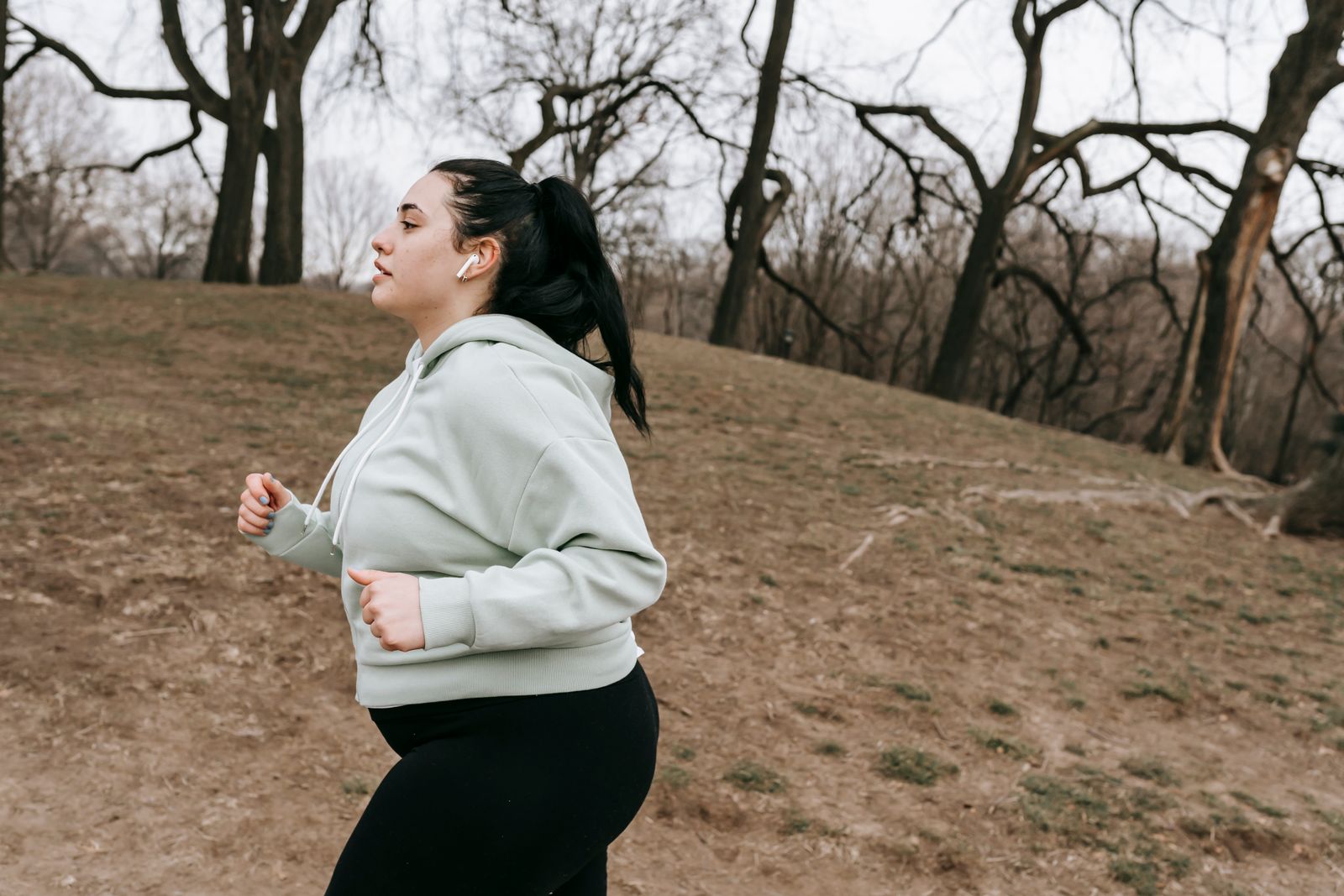
First run-walk outing in a familiar park
A familiar park makes a first outing easier to organise. Use its paths to alternate running and walking, with an easy way to finish whenever you need it.
Read article ↗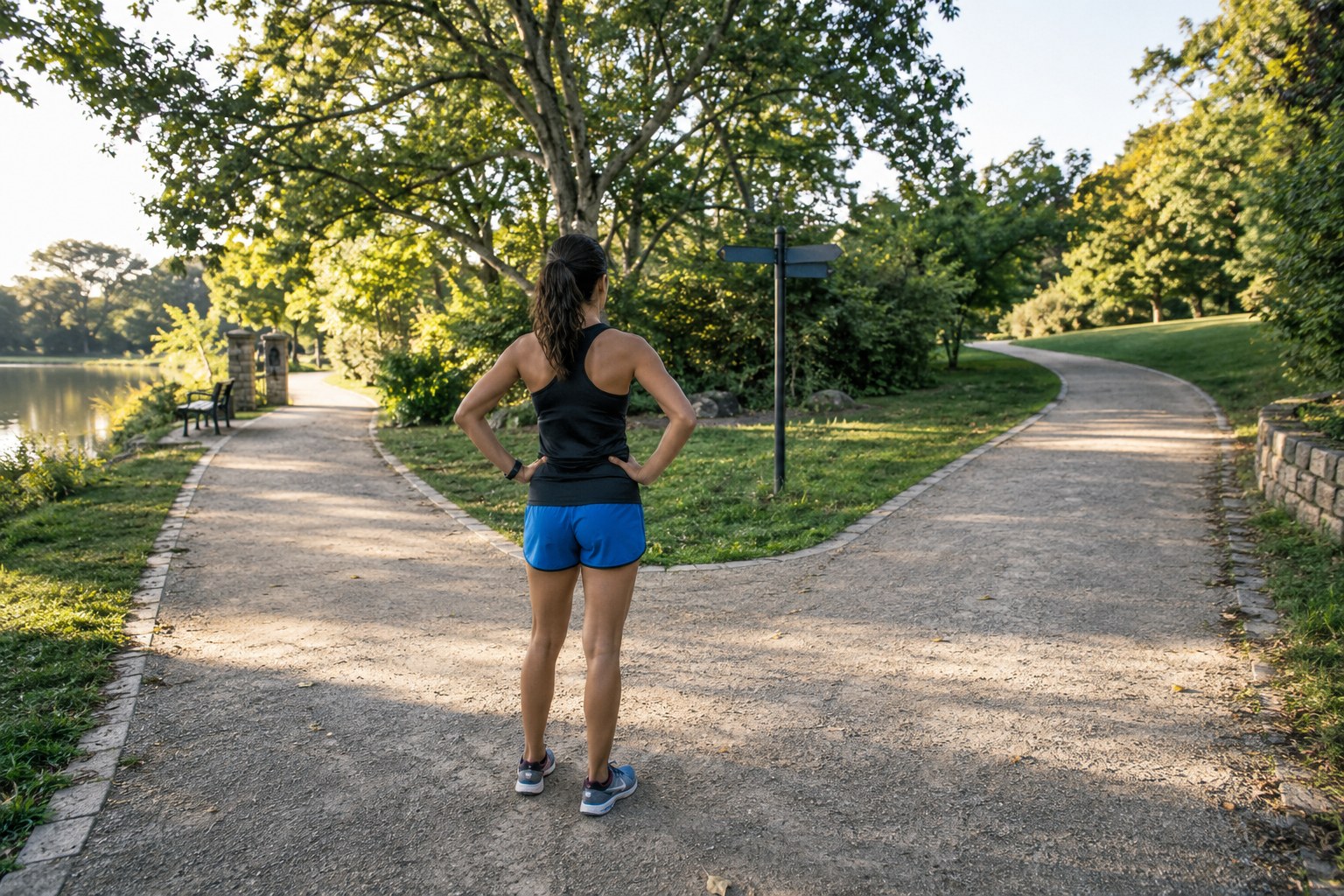
Choose a first running loop you can shorten
A short circuit is not automatically an easy route to shorten. The useful question is where you can leave it, and what that return would involve if you decided to walk.
Read article ↗
Find an easy effort without chasing a pace
The pace shown on a watch is an outcome of the ground, conditions and effort. For an easy outing, begin with how the movement feels rather than a number you have borrowed from someone else.
Read article ↗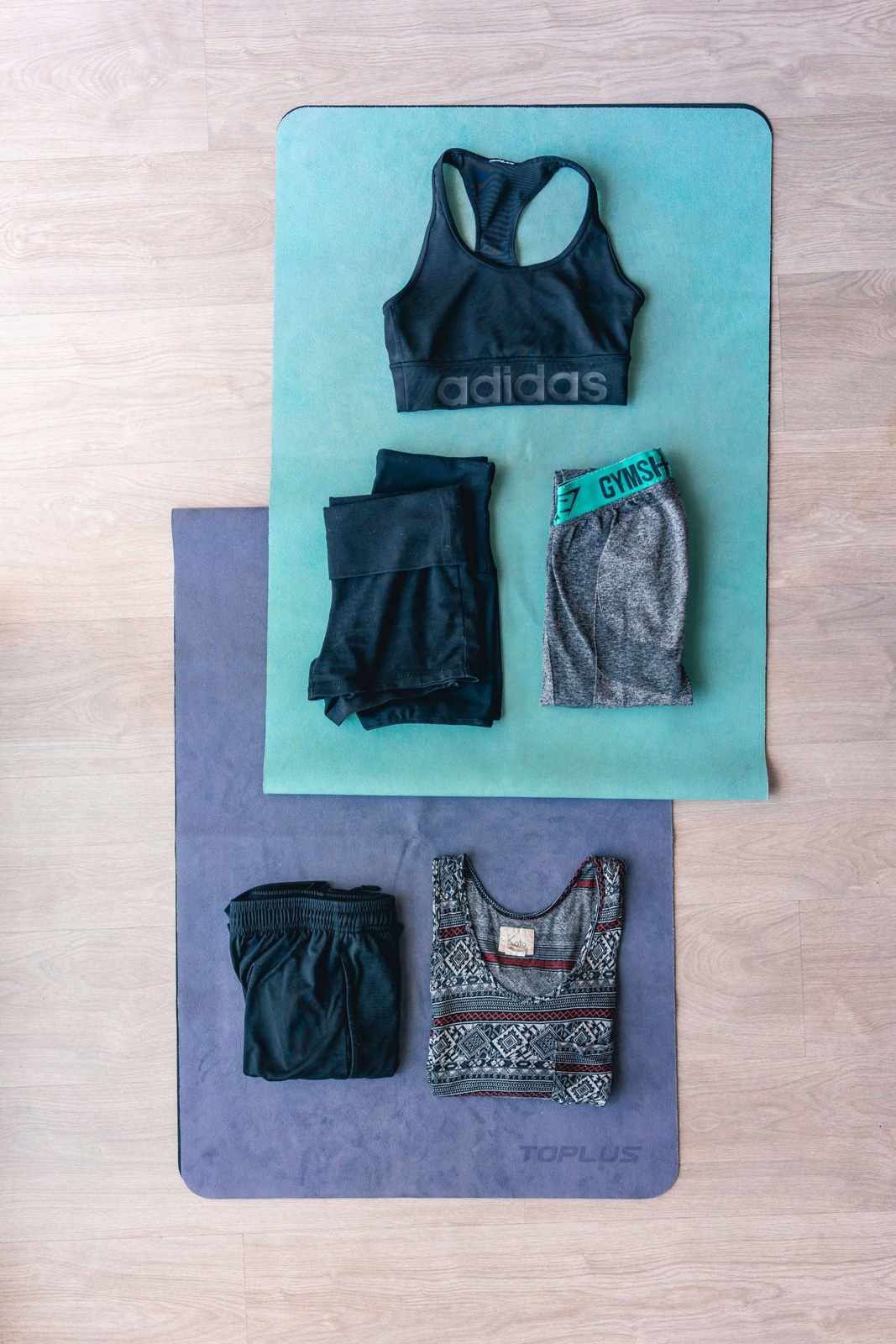
Prepare your clothes the evening before a run
Preparing clothes the night before is useful when it removes a decision from a busy morning. It works less well if the prepared outfit becomes a reason to ignore a changed forecast.
Read article ↗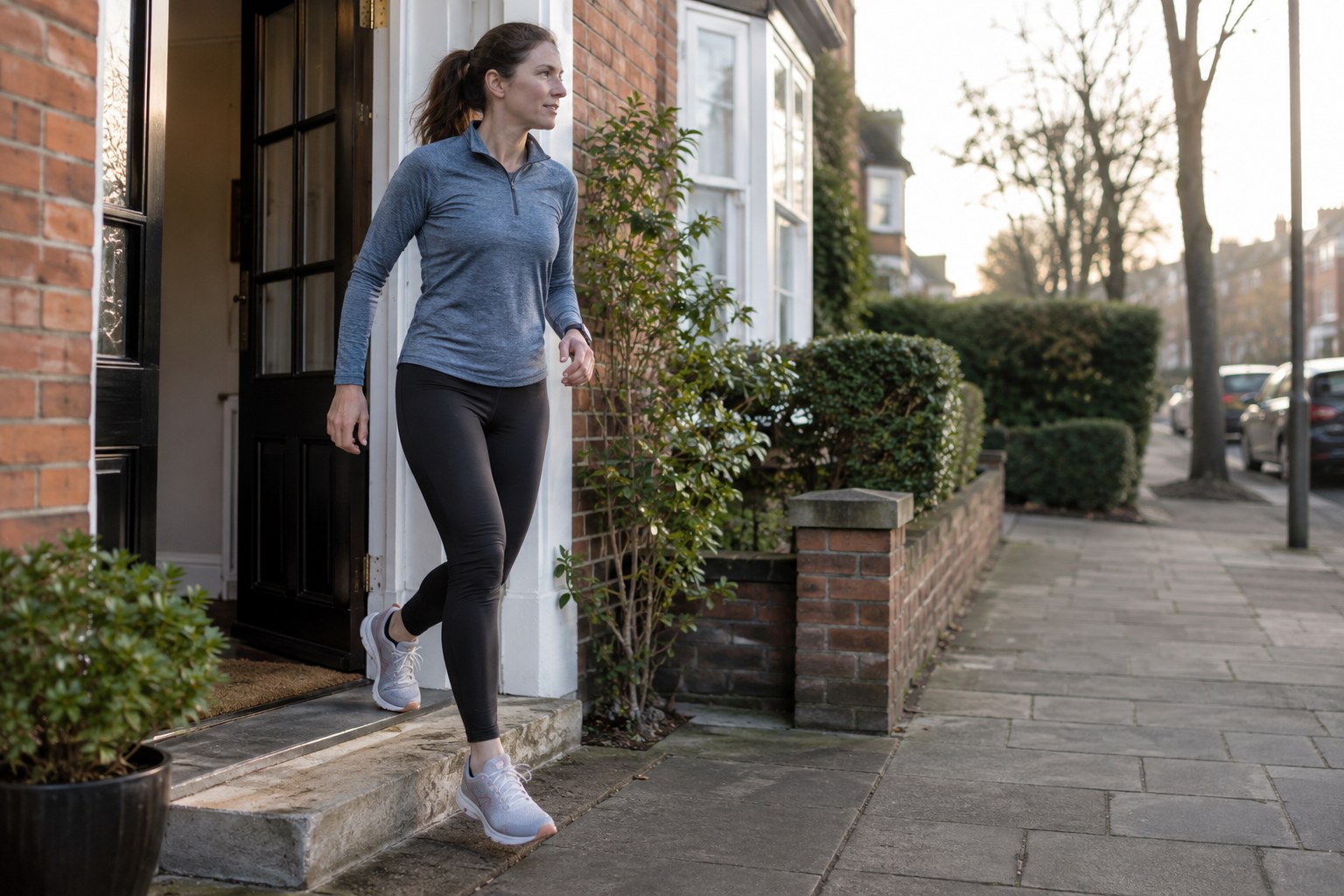
Start a run from your front door
Leaving from home removes the journey to a running venue, but the first few streets still deserve planning. Treat the connection to a suitable path as part of the outing rather than an obstacle to rush through.
Read article ↗
Make a lunch-break run fit the time available
A lunch-break run has to fit between two real appointments. Plan the whole absence, including changing and returning to work, before deciding how much of it can be spent running.
Read article ↗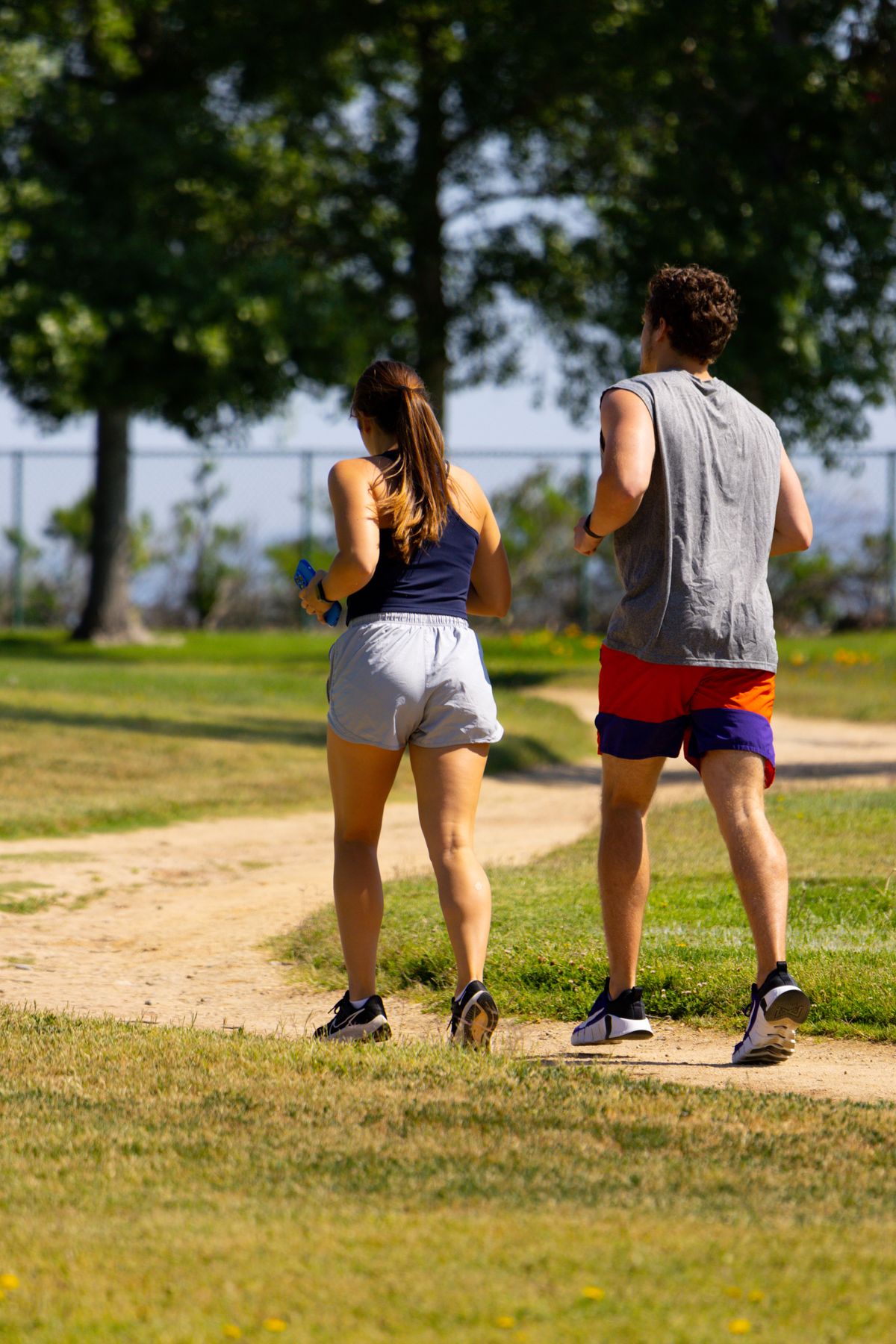
Running with a friend at a different pace
Two runners can share an outing without sharing their usual pace. Decide what being together means before leaving: conversation throughout, a shared start, or a meeting after separate sections.
Read article ↗
Join a running group for the first time
A group's name rarely tells you everything about the outing. Before a first visit, find out how the session works and how runners stay together when their speeds differ.
Read article ↗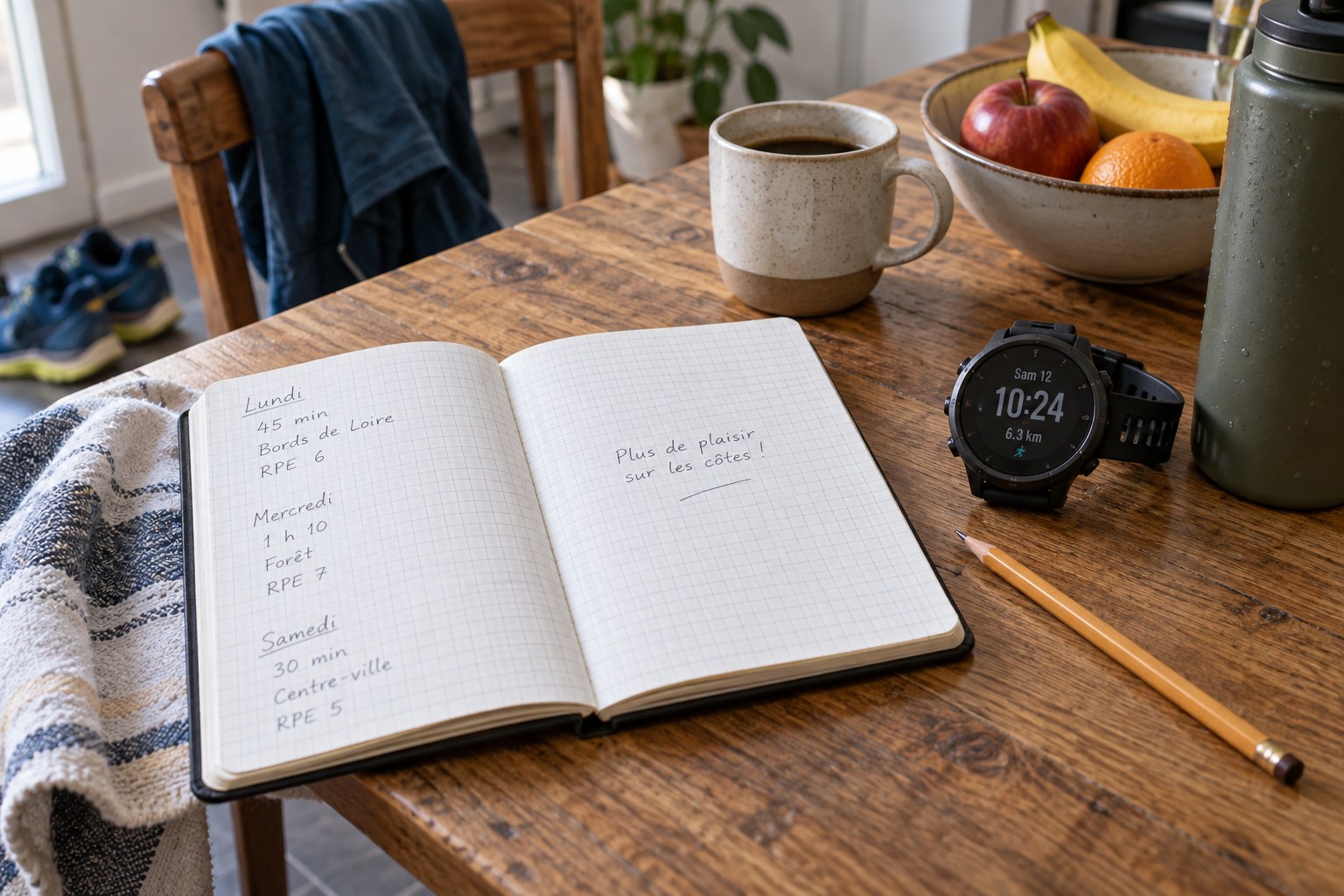
What to put in a simple running log
A running log is useful when it helps answer a question later. It does not need to become a second job, and a short note often explains an outing better than a screen full of measurements.
Read article ↗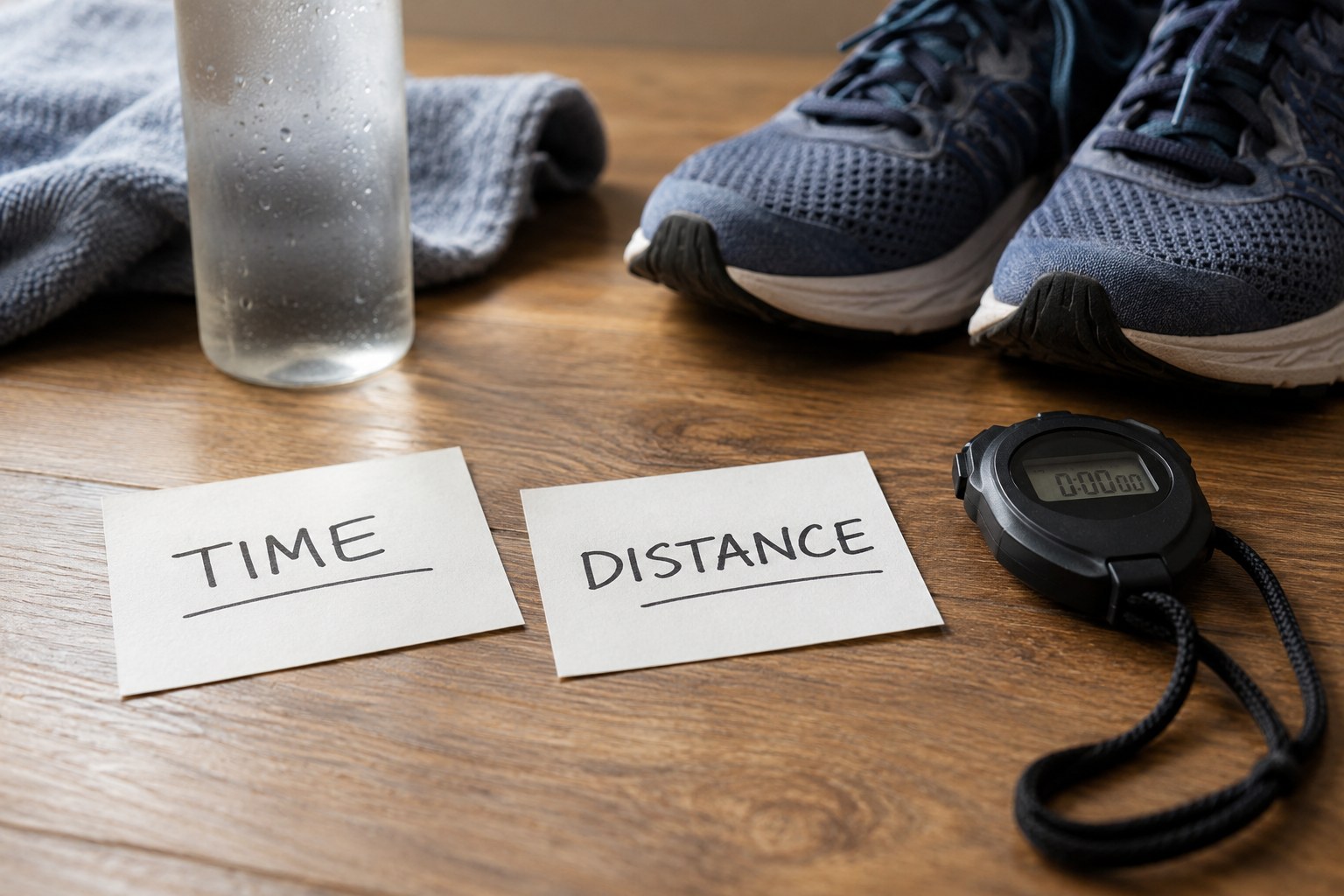
Choose between time and distance goals
A time goal and a distance goal answer different questions. One limits how long you intend to be out; the other defines the route you want to complete. Choose the measure that matches the decision you are actually making.
Read article ↗