Training
Effort, scheduling and making sense of a session.
32 articles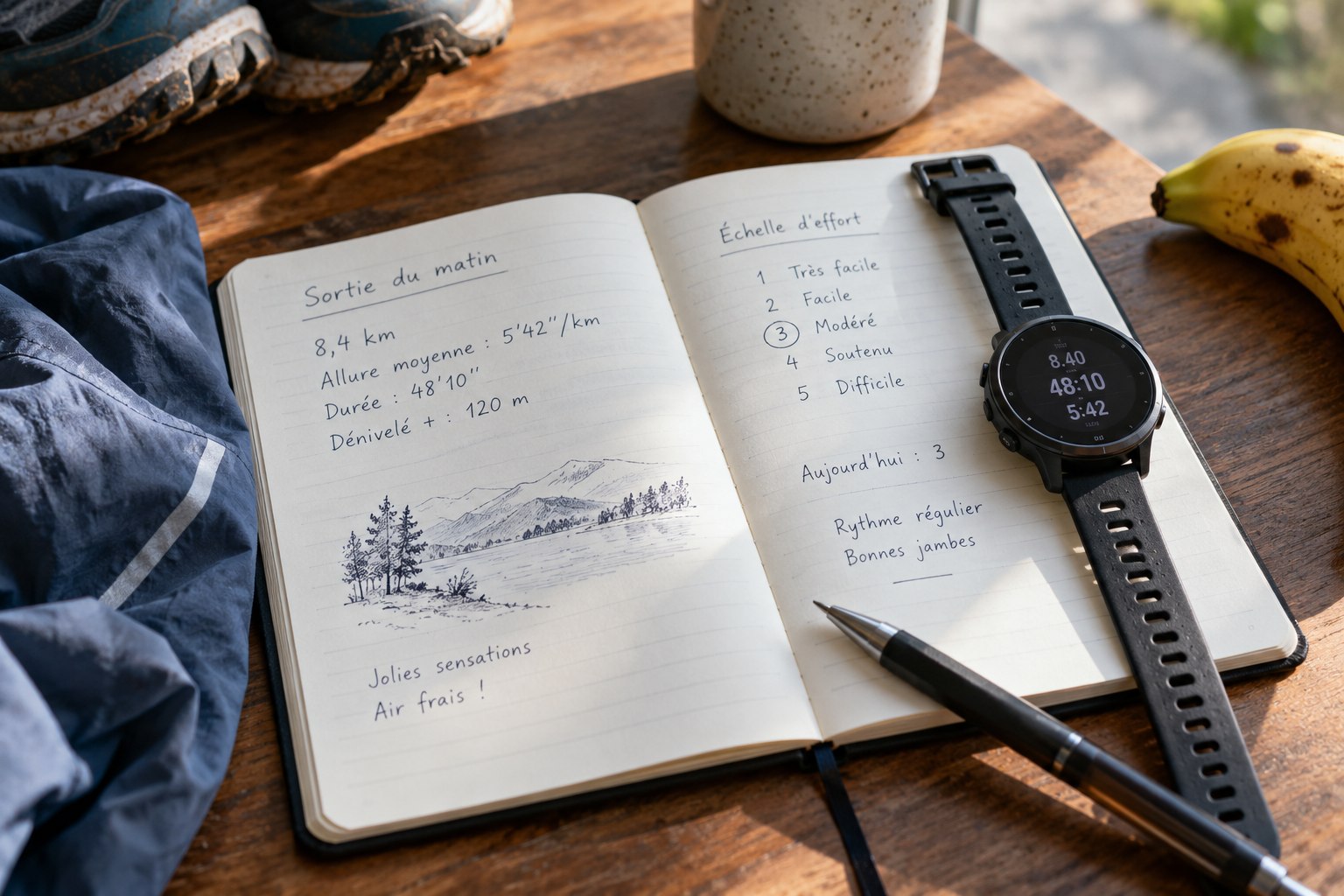
Record perceived effort alongside pace
Pace describes movement over distance. Perceived effort adds your experience of doing it. Recording both can make a training note more useful without pretending that a personal rating is an exact instrument.
Read article ↗
Avoid racing every group outing
A group can make an ordinary outing feel like a contest without anyone announcing a race. Decide your role before the pace rises, and make the agreement visible to the people you are running with.
Read article ↗
Choose a turnaround point before setting off
A turnaround point is a decision about the return, not merely a destination for the outward leg. Choose it before starting, then keep an earlier option available if the day develops differently.
Read article ↗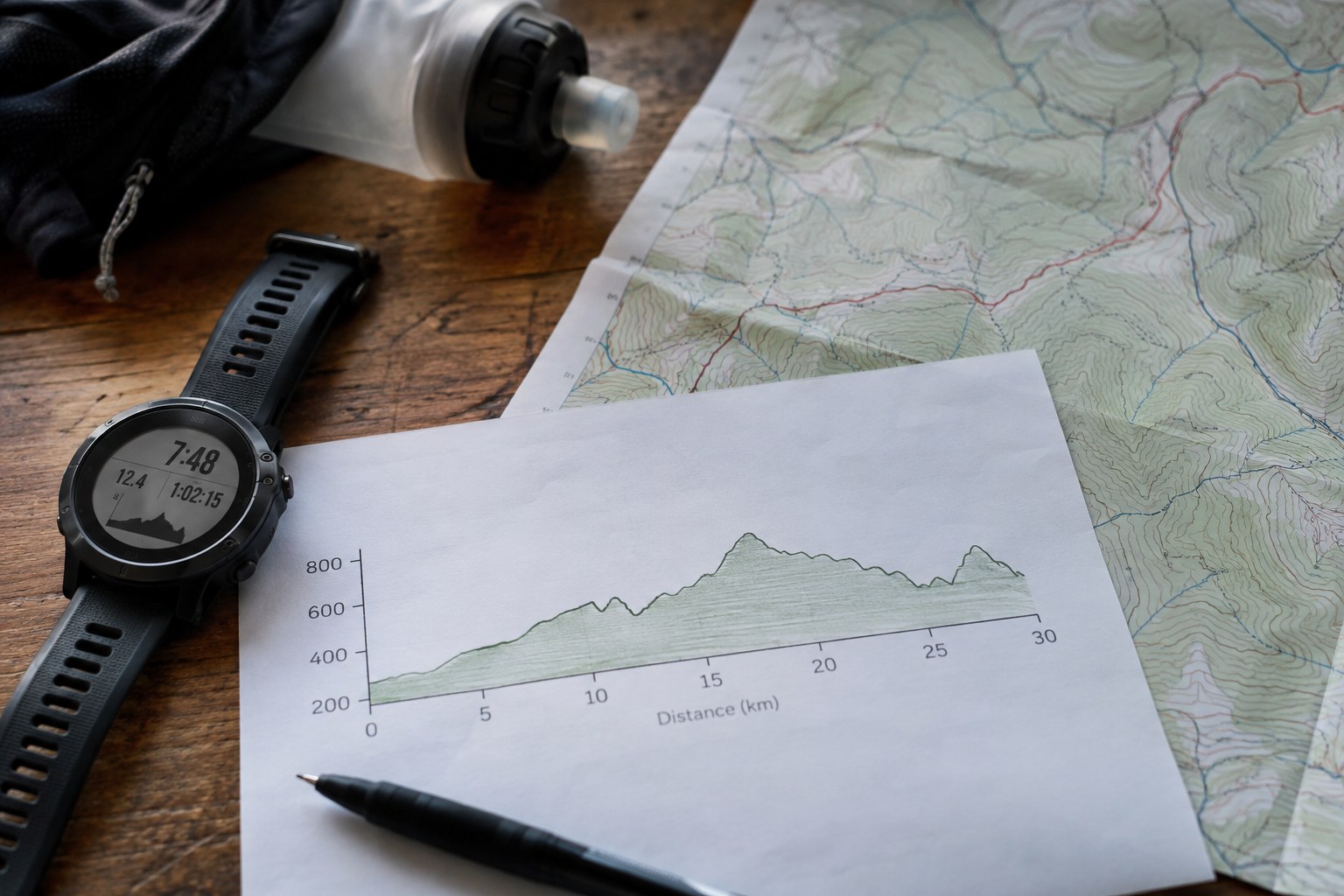
Read elevation gain without overinterpreting it
Elevation gain is the sum of the climbing recorded along a route. It is useful context, but it does not describe the shape of every hill, the surface or how difficult the outing will feel.
Read article ↗
Keep a short run useful when time is tight
A short run can have a complete purpose. When time is tight, simplify the outing around that purpose instead of compressing a longer session until every minute feels rushed.
Read article ↗
Plan a recovery day away from running metrics
A recovery day does not need to become another competition measured by a device. Use the day to follow the arrangement appropriate to your plan and ordinary life, without replacing a running target with a different target by default.
Read article ↗
Use a calendar to spot stacked commitments
A calendar can reveal why a week feels crowded even when the running total looks modest. Put the commitments beside one another and inspect the transitions, where hidden pressure often appears.
Read article ↗
Run by effort when travelling somewhere unfamiliar
An unfamiliar place changes more than the scenery. Crossings, surfaces, climate and navigation can make a usual pace target less useful. Give the first outing a modest purpose and let the effort follow the conditions.
Read article ↗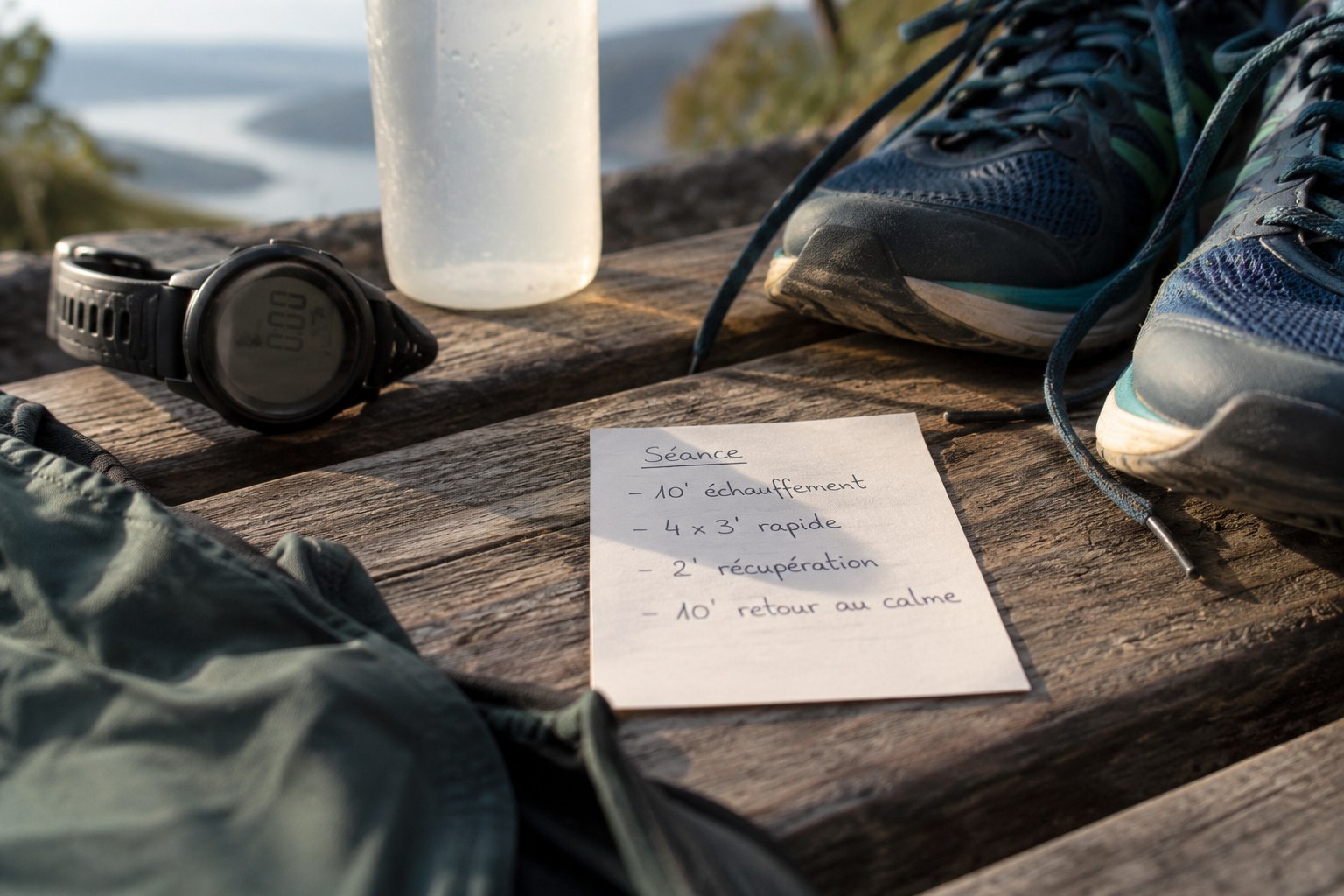
Prepare a session card you can remember
A session card should reduce the information you need to remember while running. Write only the instructions that guide the outing, using words and units you can understand at a glance.
Read article ↗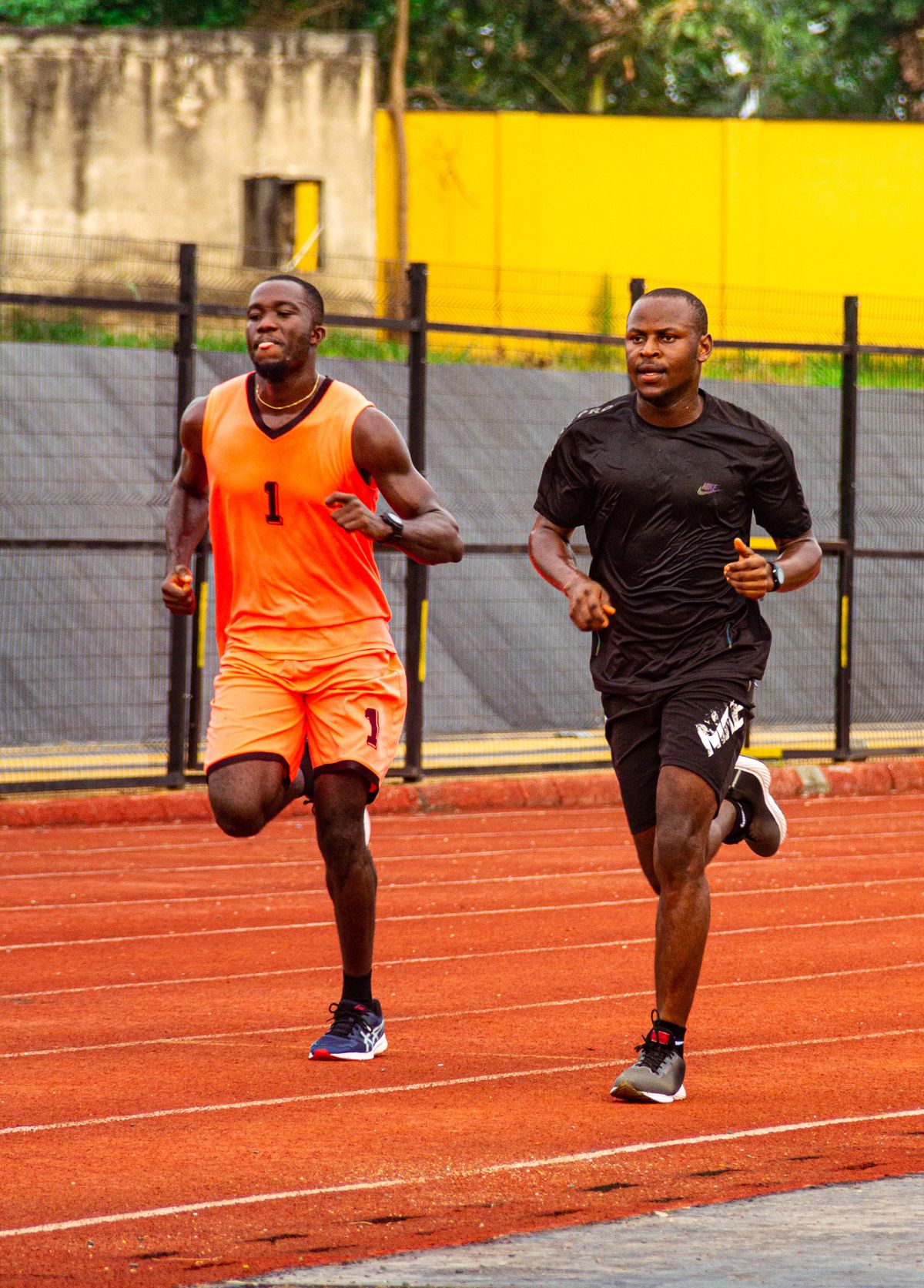
Choose a safe stretch for faster running
A stretch suitable for faster running needs more than a smooth surface. You need visibility, space to change pace and a way to finish without forcing other people to react to you.
Read article ↗