Inspect the approach and the exit
Look at the whole section while moving easily or walking. Check side entrances, driveways, blind turns and places where pedestrians may step out. A clear middle does not compensate for an awkward start or an abrupt finish.
Leave usable space beyond the intended end point so that you can slow without stopping sharply at a gate or junction. If the only finish leads immediately into traffic, choose another section. The distance available for running is not the only relevant measurement.
Check the surface under the conditions of the day. A path that was smooth and dry last time may now hold leaves, gravel or water. If you cannot read the ground confidently, the location does not suit the intended task merely because you have used it before.
Consider who else uses the space
Visit at the time you expect to train. A quiet path between appointments may be busy when schools finish or commuters return. If the session needs repeated clear passage, a shared route may not offer that reliably.
Do not expect other users to understand your interval sequence or watch signals. Their movement has priority over preserving your timing. Skip or interrupt an effort when the space is no longer suitable, and avoid announcing your approach in a way that demands everyone leave the path.
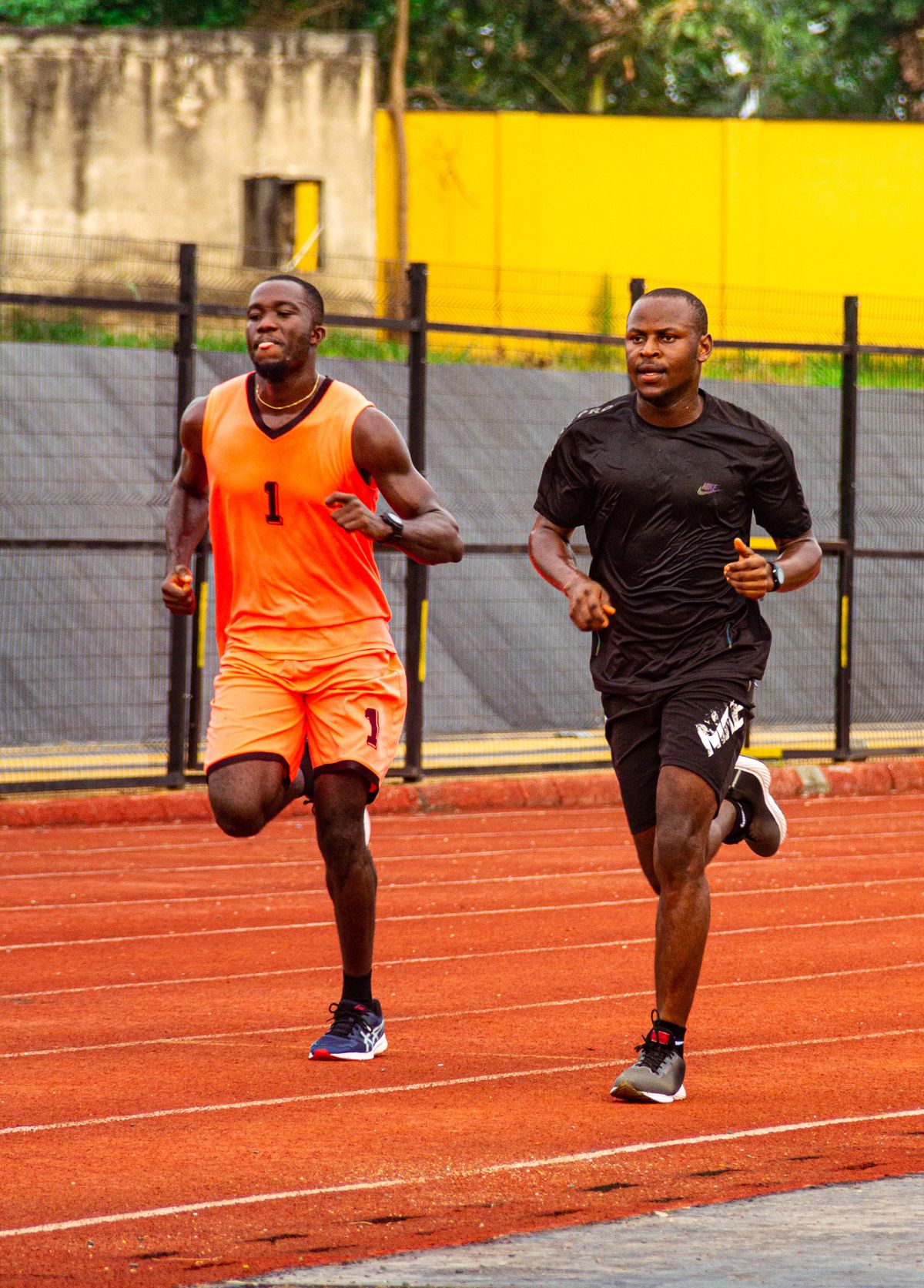
An appropriate track or sports facility may offer a more controlled arrangement, but it still has access rules and other users. Check those rules rather than assuming the venue is available for any activity at any time.
Keep the session within the location's limits
Use the stretch for a task that actually fits it. A short open section does not become suitable for a much longer effort by adding a blind corner at each end. If the required distance or time does not fit, change the venue or discuss an alternative session.
Keep bags and spare layers away from the movement area. Check that the return to the start is also straightforward, especially when running with others.
After the first use, record any interruption or uncertainty. If most of the session was spent watching for hazards, choose somewhere else next time. The suitable location is the one that lets you remain attentive and predictable, not simply the one closest to home.