Base the point on the whole route
Look at the ground in both directions. A gradual downhill outward leg can make the early distance feel easy while leaving a climb home. Crossings, gates and busy entrances may also take different amounts of time on the return. Half of the available minutes is not automatically the right moment to turn.
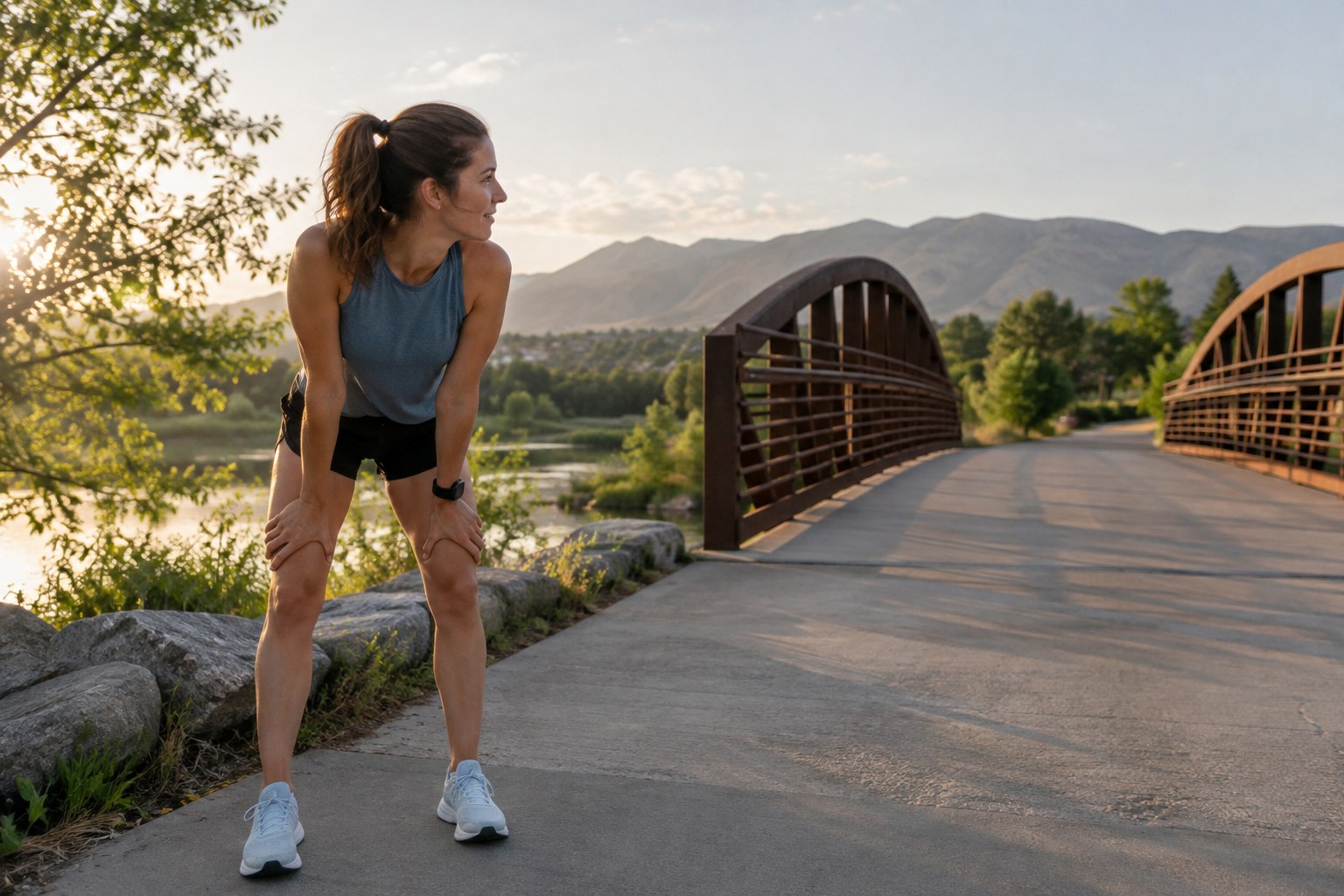
Choose a recognisable feature before the less familiar or less suitable section: a named junction, the entrance to a park or a clear bridge approach. Avoid choosing a point that forces you to stop in a road, turn on a narrow path or wait at an exposed location.
If using distance as a guide, combine it with what you can identify on the ground. A watch reaching a round number does not make that exact spot suitable for reversing direction. Continue only far enough to turn appropriately, or turn earlier when the layout suggests it.
Set an earlier decision point
Keep one nearer landmark that allows a shorter outing without creating an awkward return. Use it if the outward section has taken longer than expected, the conditions have changed or the available time has narrowed. You do not need to wait until the original destination becomes impossible.
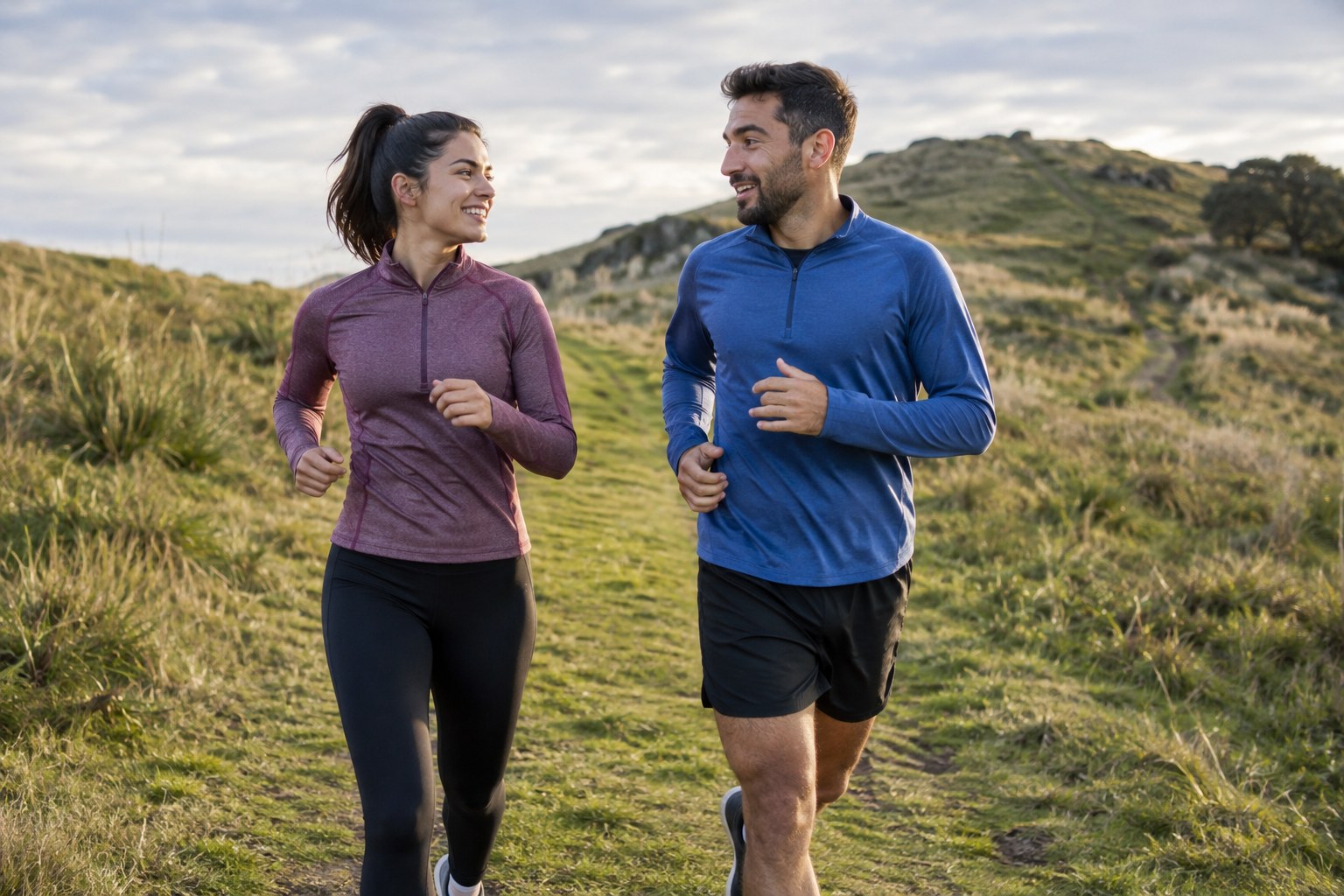
When running with someone, agree which person can call for the earlier turn and how you will respond. It is easier to make that choice when it has already been accepted as part of the outing. A companion should not need to argue against the route halfway through.
If the route depends on a gate, ferry or other access point, verify the current arrangement separately. Do not make a return plan that relies on an assumed opening or a last departure you have not checked.
Make the turn unhurried
Look around, move to an appropriate place and change direction predictably. If you need to check the map or message someone, stop where you are not obstructing the path. A turnaround is a useful moment to reassess the return rather than immediately accelerating back.
Afterwards, note whether the point left enough time and whether the route felt different in reverse. Adjust the next outing from that information. A well-chosen turnaround helps you finish as intended; reaching a more distant landmark is not automatically an improvement.