Training
Effort, scheduling and making sense of a session.
32 articles
Warm up before running faster
Preparing for faster running includes preparing the place, the equipment and the transition in effort. Do not let a late arrival turn the first demanding section into the beginning of the outing.
Read article ↗
Finish a session without adding an extra challenge
Finishing a session as planned can be harder than adding one more challenge. Decide what completion looks like before the last effort, so that a good finish does not become a reason to extend the work.
Read article ↗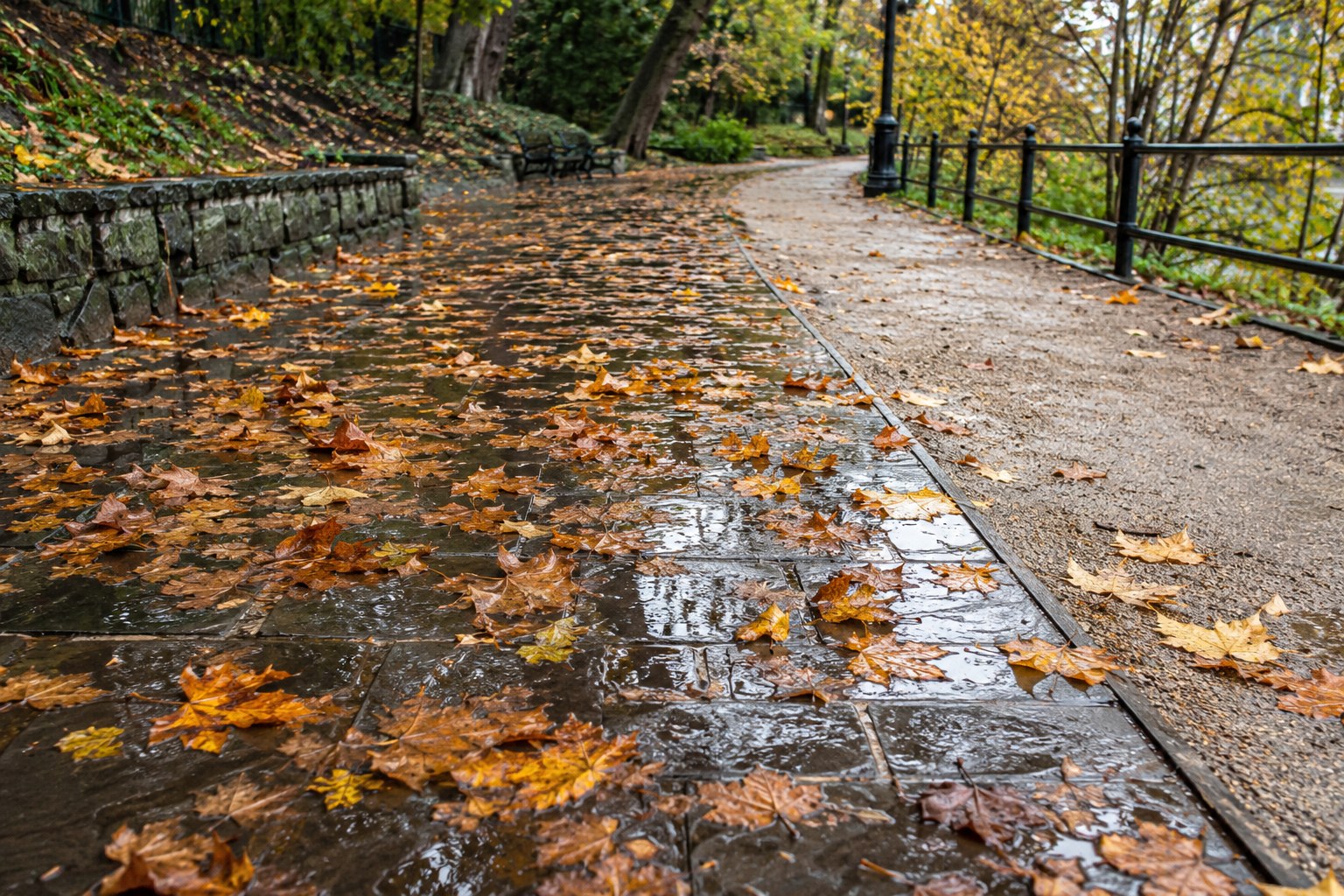
Adjust a route when the surface is slippery
A slippery section changes the route, even when its map line is unchanged. Make the adjustment before the difficult patch rather than treating the original course as something you must preserve.
Read article ↗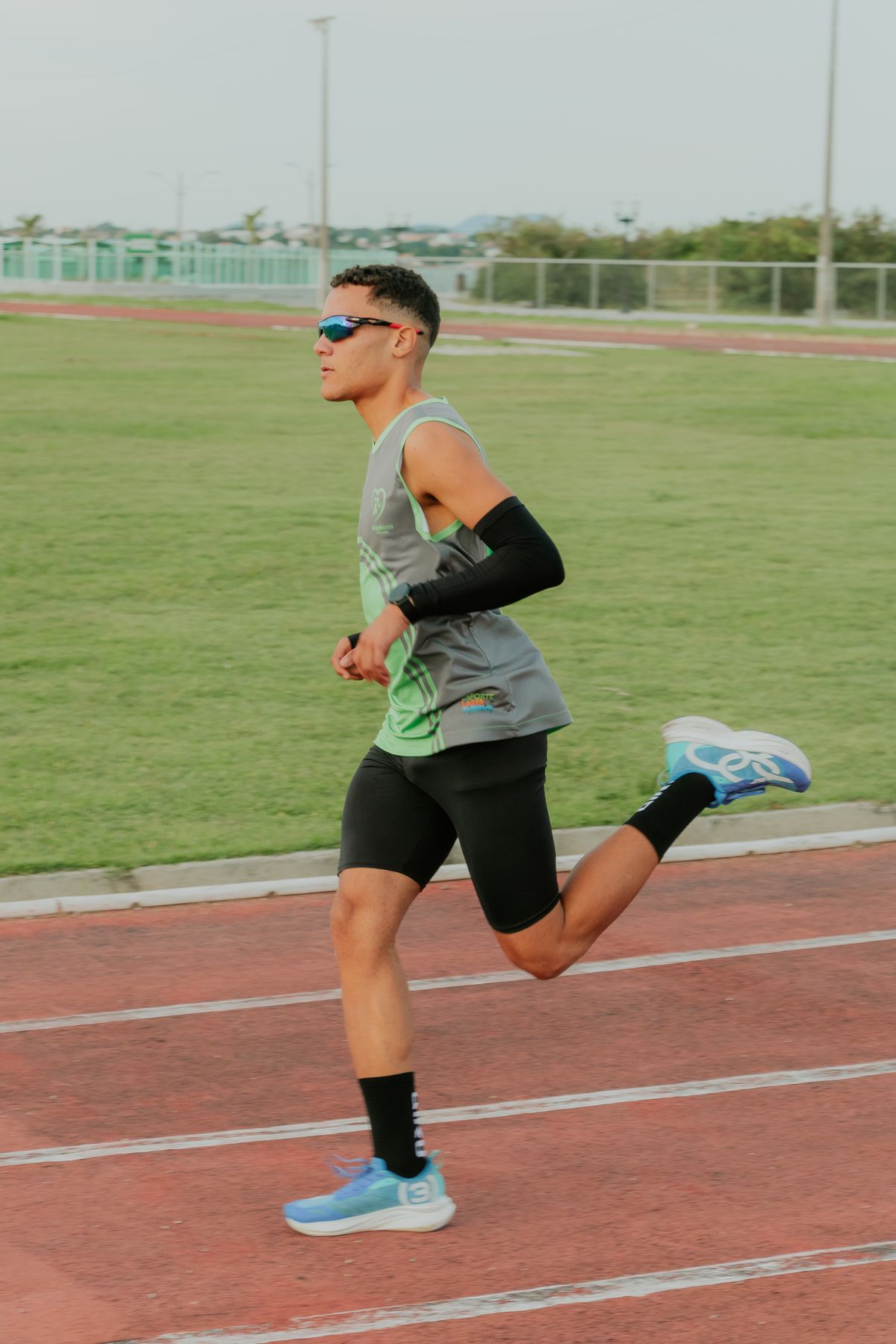
Keep track intervals organised
A track session is easier to follow when the movement around the track is as organised as the efforts themselves. Learn the venue's arrangements and your own sequence before pressing start.
Read article ↗
Use lap timing instead of staring at a watch
Lap timing can move watch checking to a few chosen moments. It works best when the start, finish and meaning of each lap are clear before you begin.
Read article ↗
Prepare for a hilly race on modest local slopes
A hilly race can look difficult to prepare for when your neighbourhood has only modest slopes. Begin by separating the event's different demands instead of trying to reproduce the entire course in one local session.
Read article ↗
Make treadmill settings repeatable
Repeatable treadmill settings help you understand what you actually did. They do not make every machine equivalent or guarantee that an indoor session exactly matches a route outside.
Read article ↗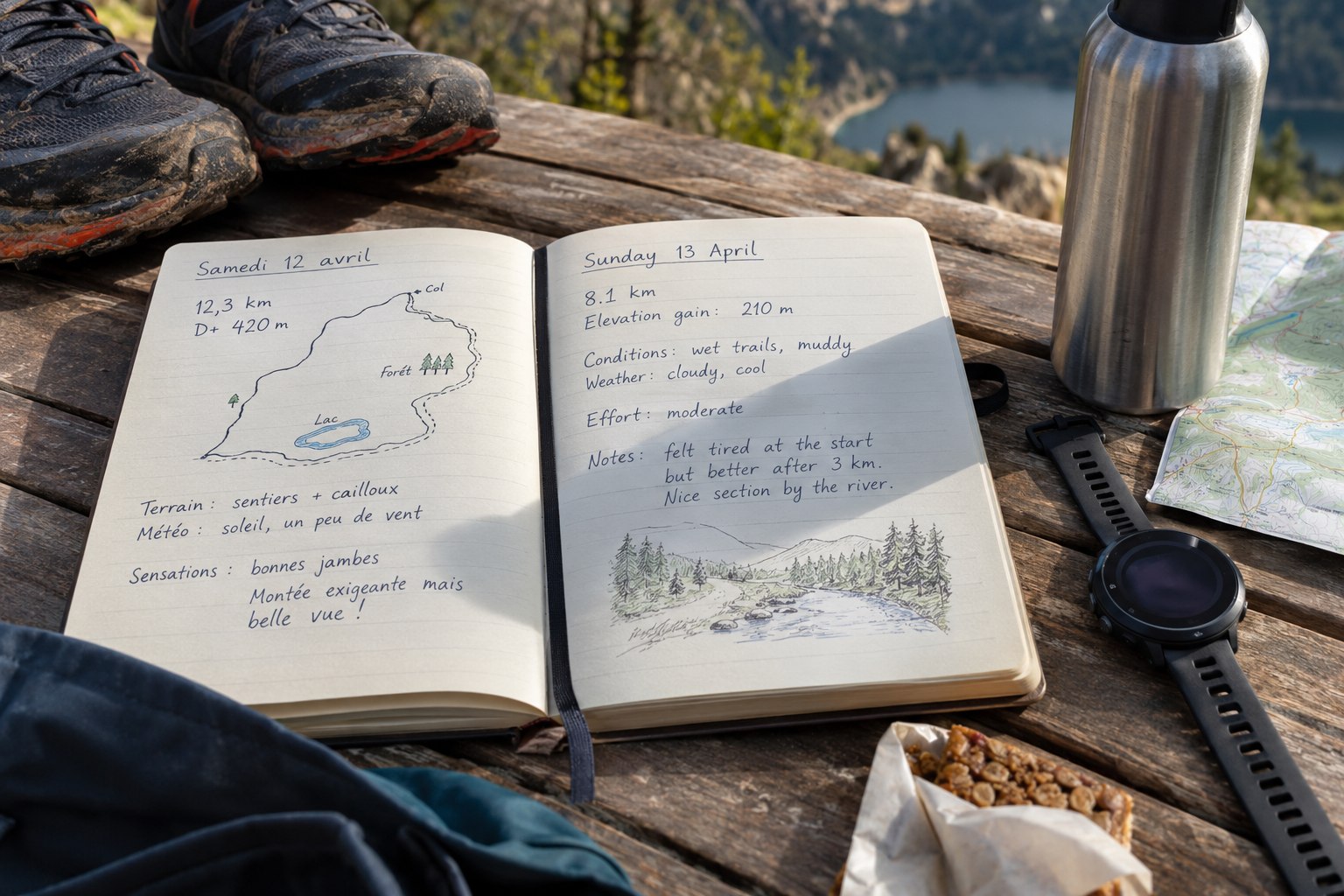
Compare two outings without judging only the clock
Two outings can have similar times and very different purposes. Before deciding that one was better, ask whether they are comparable and what you were trying to learn from them.
Read article ↗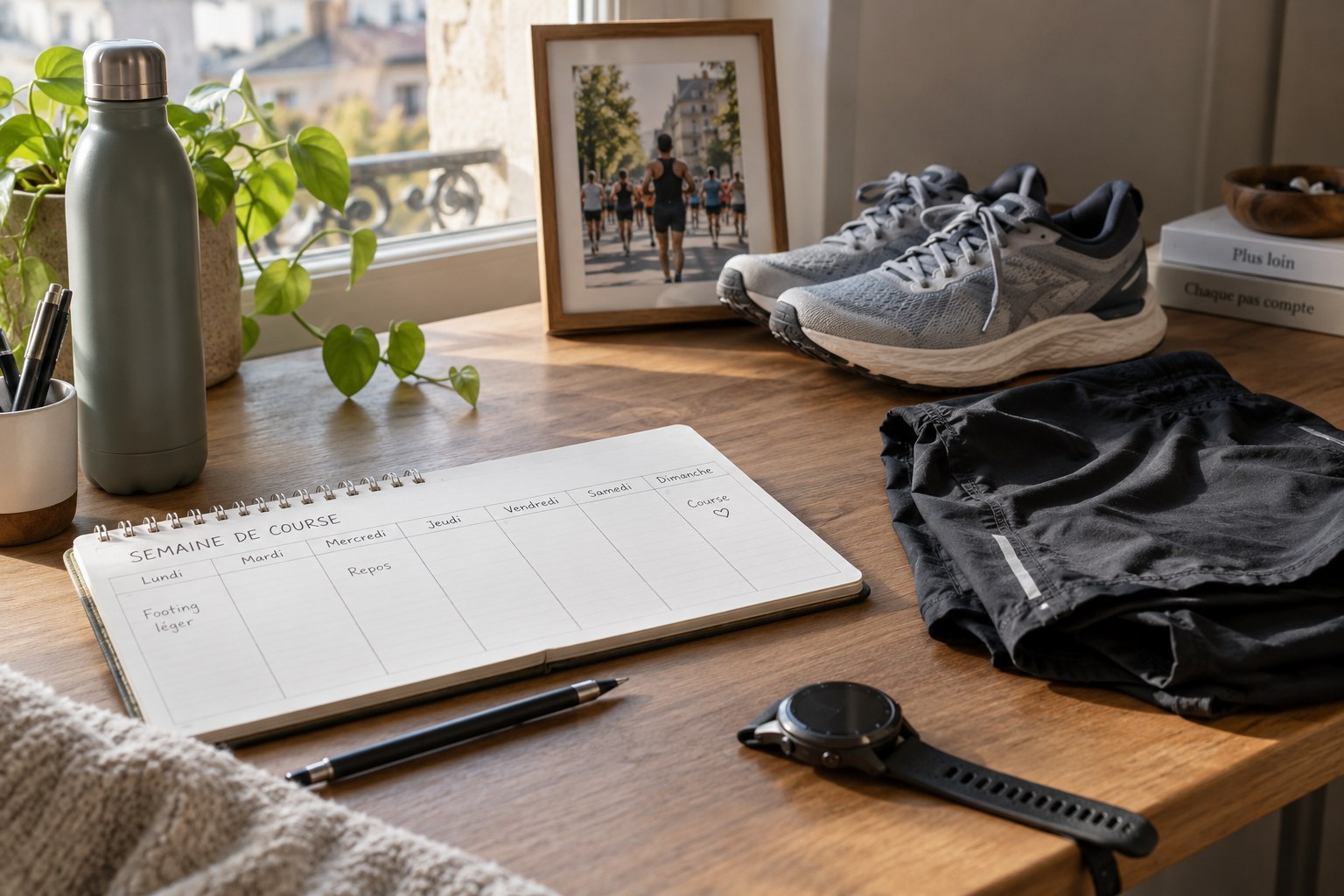
Reduce scheduling pressure during a taper
During a planned taper, a lighter running diary can quickly fill with other tasks. Protect the intended arrangement by organising travel, equipment and commitments without turning the days before an event into a new endurance project.
Read article ↗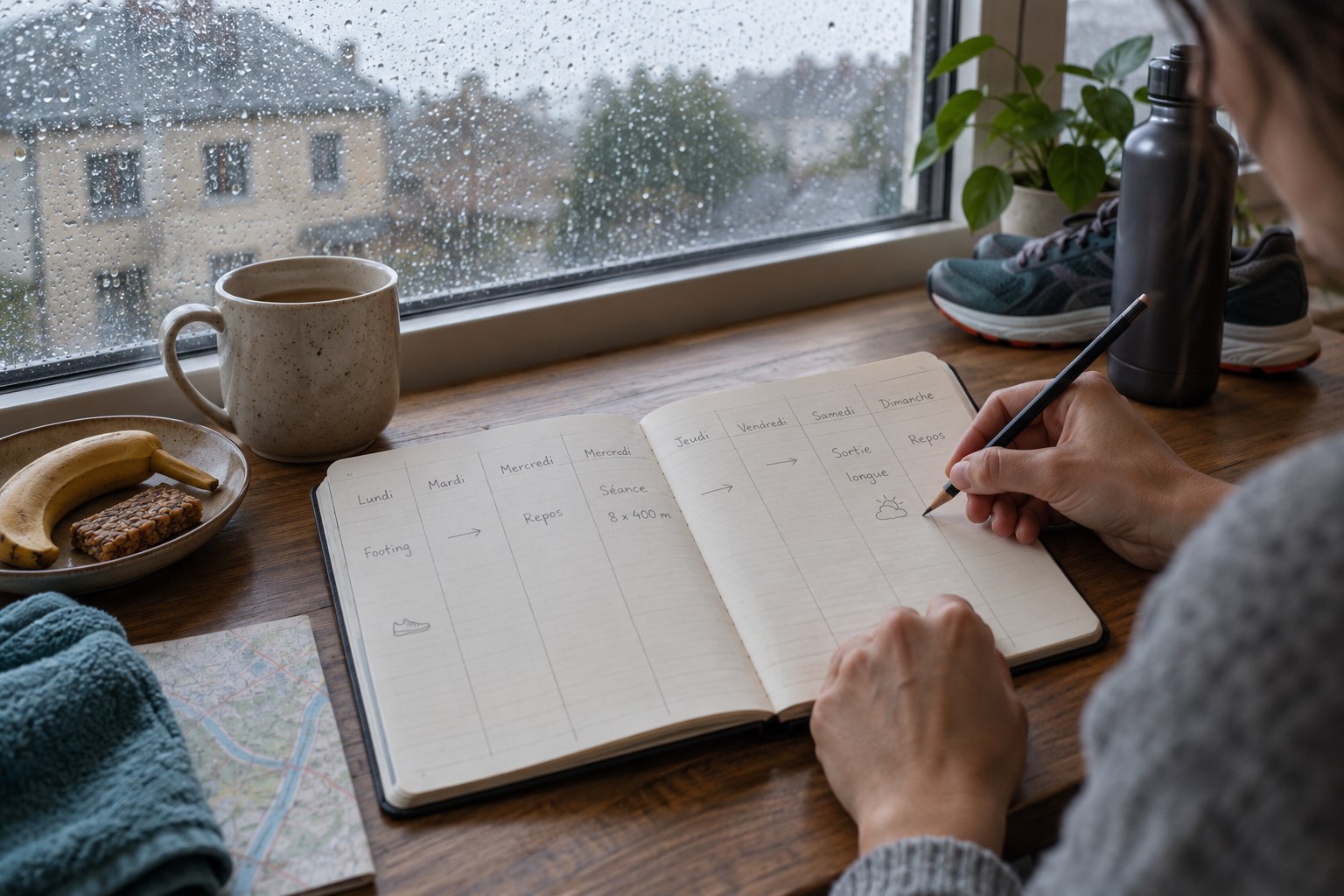
Rearrange a week when weather cancels a session
When weather cancels a session, the replacement decision affects the rest of the week. Begin with the purpose of the missed outing and the constraints of the coming days, rather than searching for the first empty slot.
Read article ↗