Decide what you are actually visiting
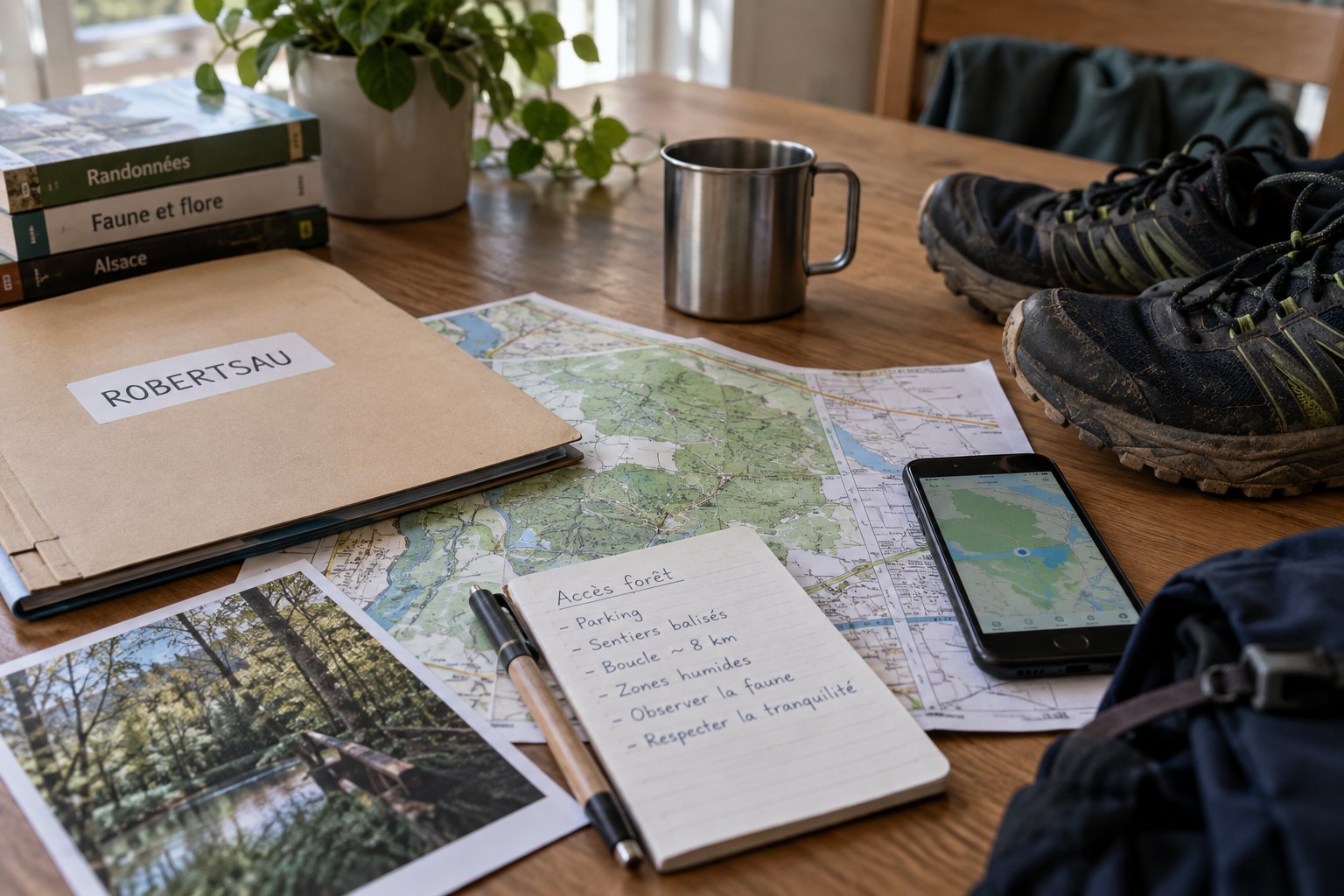
The Bruche valley tourist office publishes a walking circuit combining the Nideck ruins and waterfall. Use the official route description to identify the proposed start and sequence of landmarks. Different online tracks carrying the same place name may begin elsewhere or add substantial surrounding sections.
Write down whether your aim is to reach the waterfall, see the ruins or follow a complete published circuit. Those are different projects. A landmark name alone is not a route, and a saved photograph cannot establish which path its photographer used. Avoid combining several attractive tracks before you understand their connections.
For a first outing, leave room to walk and pause. If a training session requires uninterrupted running or a precise pace, choose a setting already known to support that session. The Nideck visit can have its own purpose: assessing an unfamiliar route without turning every interruption into a problem.
Investigate the approach and the return separately
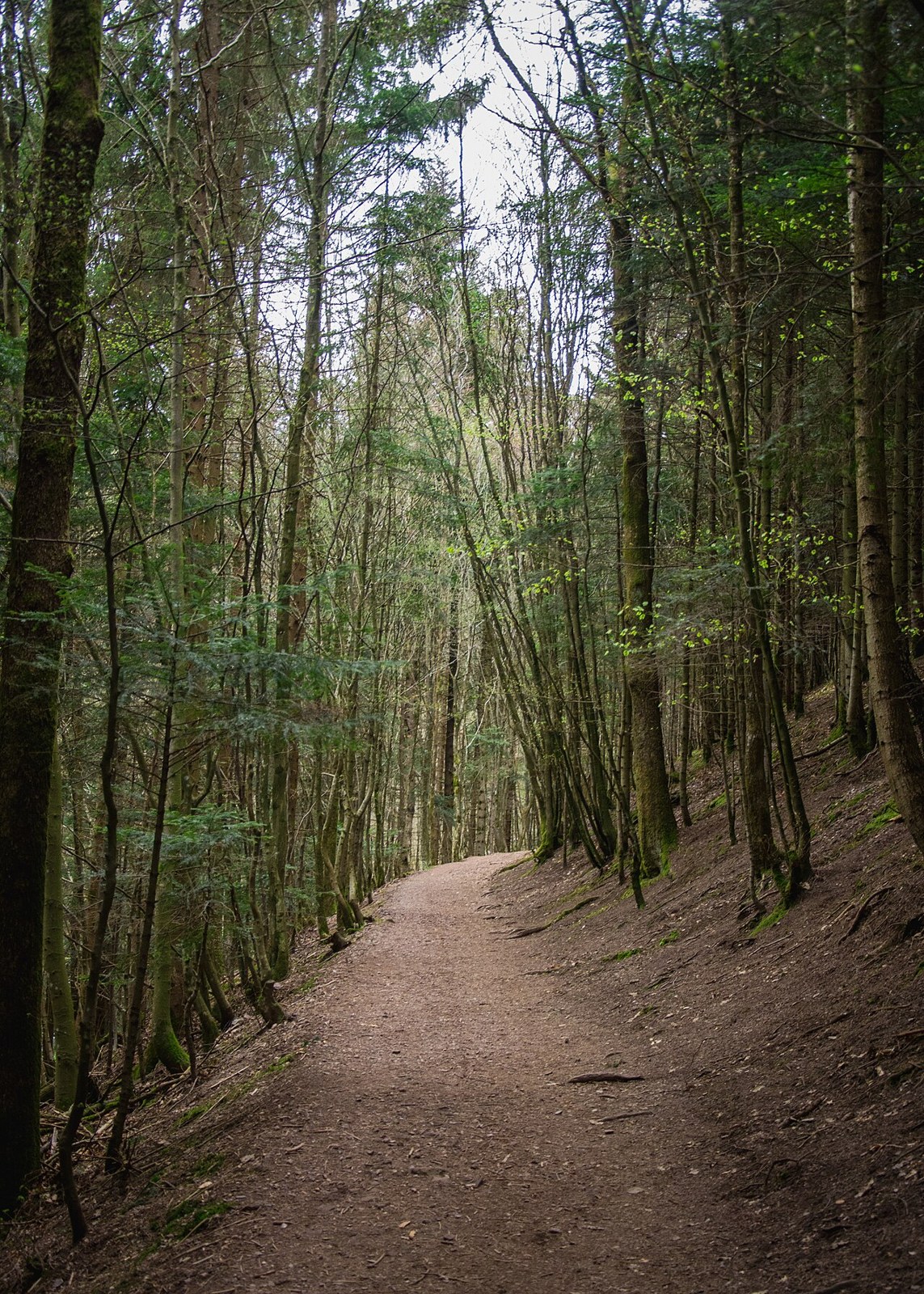
Read descriptions for steps, narrow passages, changes of level and sections near water, then locate those features on the map where possible. These are questions to resolve from current route information and observation, not assumptions that every path in the area contains the same obstacles.
Do not evaluate only the outward journey. Look at how the selected route comes back, whether a shorter authorised return exists and which junction commits you to the full circuit. If you choose an out-and-back, remember that you will later meet the same surface in the opposite direction. A section you are happy to walk uphill may feel different on the return.
Check local access notices and the forecast before travelling. After poor weather, an old description and a bright waterfall photograph are insufficient evidence about current footing or access. If the relevant information remains unclear, postpone the uncertain section rather than seeking an improvised route around a barrier.
Use landmarks without rushing toward them
At busy viewpoints, put away any pace target and allow other visitors space. Stop somewhere that leaves the path clear before handling a phone or taking a photograph. Your preferred running rhythm should not determine how quickly a shared bottleneck must clear.
A useful first-visit note might describe the departure point, the junction that was difficult to identify, the time spent walking and the portion you did not cover. Keep observations dated. Such a record helps you decide whether to return for a longer outing without claiming to certify the whole destination for other runners.