Send a plan another person can read
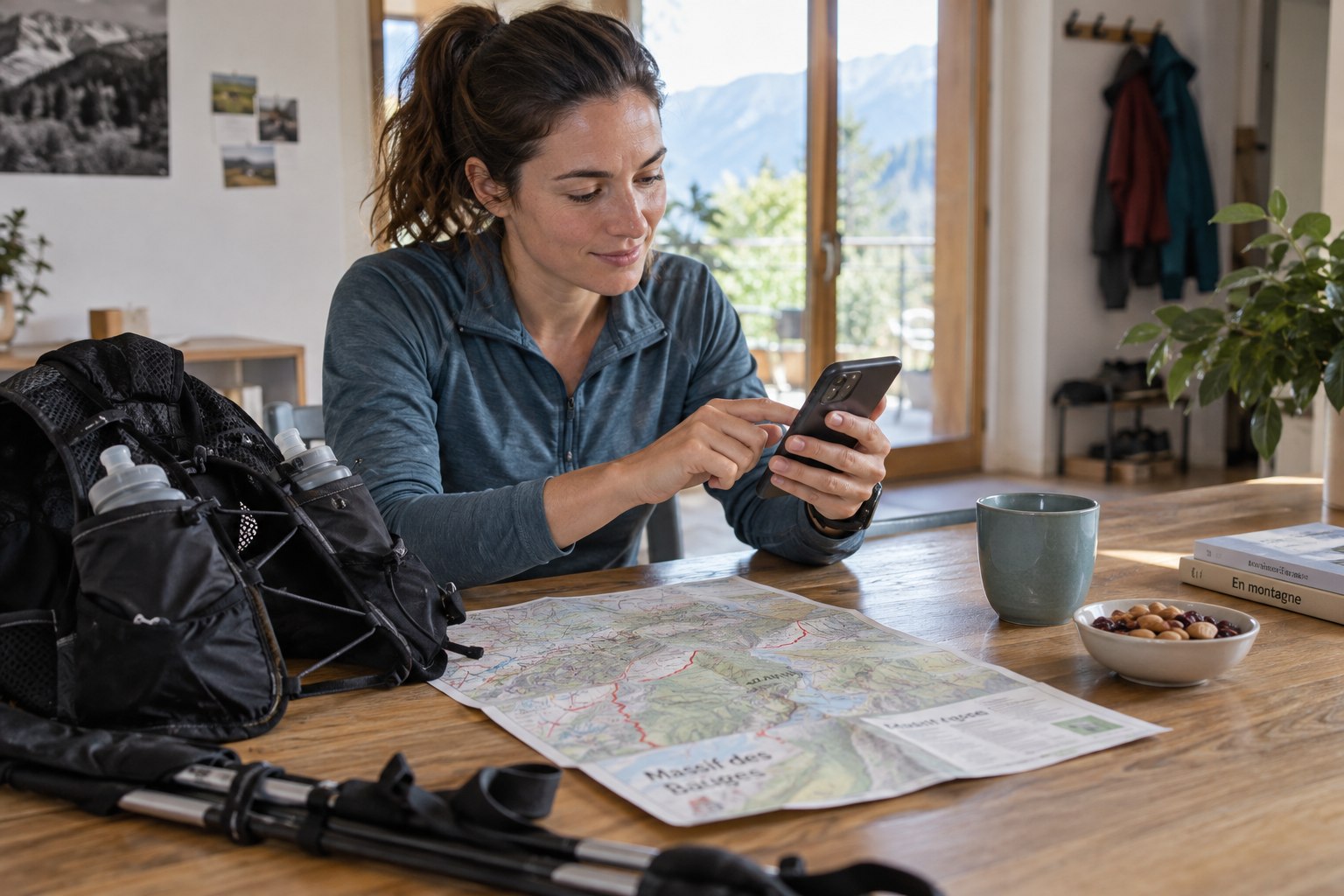
Name the starting place, the intended route and the expected finish. Include a map link or image if helpful, but add a plain-language description so the message still makes sense if the link fails. A file name containing today’s date and a distance is not enough for someone unfamiliar with the area to understand where you have gone.
Say whether you are alone or with others, how you are travelling to the start and whether the return is at the same place. Include the relevant contact details for the group if agreed. Avoid sending a huge collection of alternative routes without saying which one you have chosen. The person needs a clear current plan, not the whole history of your planning.
Agree what the return message means
Give an expected return or check-in time with enough margin for ordinary pauses. Discuss what the contact should do if they do not hear from you, rather than leaving them to guess whether silence is normal. The arrangement should reflect the route and the possibility of poor reception. A contact who is unavailable for the entire period cannot reliably perform the role simply because they received a message.
Be specific about the final check-in. Reaching a village, finishing the run and arriving home are different events. If you promise to message after reaching the car, send that message then rather than assuming a later social-media upload will communicate the same thing. Simple wording makes it easier for both people to recognise that the arrangement is complete.
Update a meaningful change
If you change the trailhead, take a substantially different route or alter the finish, update the contact when you can safely do so. Send the revised plan clearly instead of a fragment such as going the other way. If reception is uncertain, make the change before leaving it where possible. Do not stop on awkward terrain solely to force a message through.
A live location service can supplement the arrangement, but check how it works and whether both parties can open it. It may depend on battery, permissions and connectivity. Do not present a moving dot as a substitute for an agreed response if you are overdue. The plain-language route and timing remain useful when the app does not.
Close the loop
Send the agreed return message even if the outing was shorter than expected. If you forget, contact the person as soon as you remember rather than assuming they will work it out. Review any confusion afterwards: perhaps the meeting place had two names or the finish time referred to reaching home rather than leaving the trail. Improve that detail for next time so the arrangement remains easy to use, not an elaborate form nobody reads.