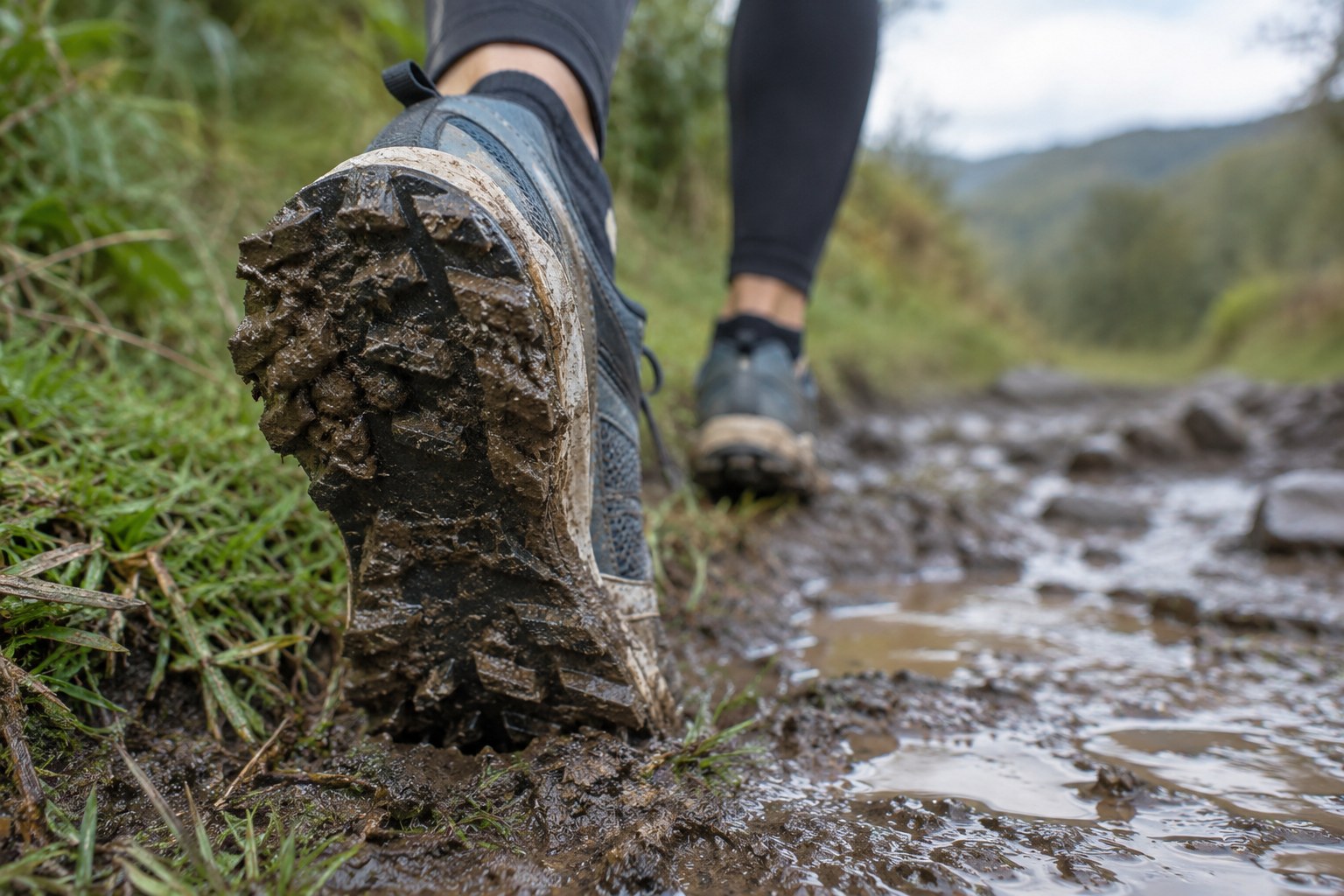
Check the forest, not only the forecast
Read the manager’s current notices for closures, inspections or forestry work after the weather event. A weather app describes conditions; it does not establish that paths have been checked. ONF advises against forest outings in storm or wind because of falling branches and trees. When conditions have recently been severe, seek current local information rather than deciding from a calm view through your window.
Choose an alternative that genuinely changes the exposure. Moving from one wooded loop to another may preserve the same uncertainty. A familiar open route away from trees can be easier to assess, provided its own conditions are suitable. If no appropriate option is clear, postpone rather than making the outing depend on discovering damage as you go.
Read obstructions as a reason to stop
At the entrance, check new signs, barriers and visible damage before starting. Do not walk around a closure because the first few metres look passable. The issue may be farther along, and work crews may need the area kept clear. A previous GPX track does not override the current instructions at the site.
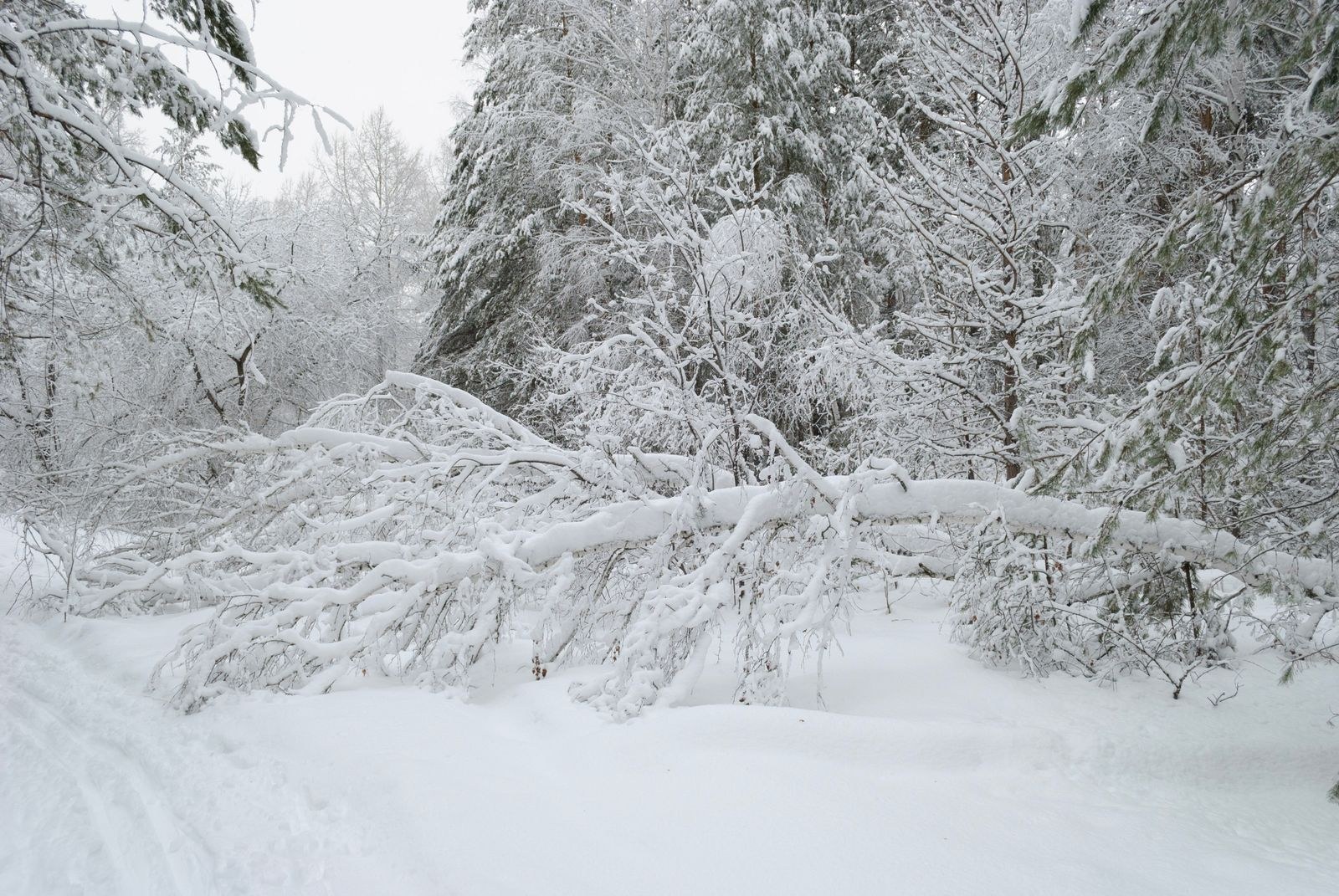
If you encounter a fallen tree on an otherwise open route, keep away from unstable branches and do not climb over or under an uncertain structure. Avoid creating a detour through surrounding vegetation. Return to a safe known point and choose another option. An obstacle that appears small on a map can involve tangled material or ground you cannot inspect properly.
Separate a clear entrance from a checked route
A tidy parking area and an unobstructed first track can create a reassuring impression without telling you what lies deeper in the forest. Read the scope of any reopening announcement. If it names only certain roads or areas, do not expand that statement to the whole planned loop. A route returning through another sector may depend on access that the announcement does not address.
At a junction, avoid treating footprints around a fallen branch as an established diversion. They may simply show that someone else improvised. If you turn back, tell companions clearly and keep the group on the known return rather than allowing separate attempts to reconnect farther ahead. Record the location of the obstruction from the safe side, using a named junction or map reference where available. A precise report made after returning is more useful than a closer inspection that exposes you to the damaged area.
Report what you saw without investigating further
Where the manager provides a reporting channel, give the location and a clear description of the obstruction. A photograph from a safe distance may help, but obtaining a better image is not a reason to approach damaged trees. Include the path name or nearby junction if known. Do not speculate about whether the tree is stable or when the route will reopen.
Review future plans with the same distinction in mind: improving weather is one fact, confirmed access another. Keep an alternative outing that does not depend on the forest. This removes the pressure to interpret a quiet morning as proof that everything has returned to normal, and lets the land manager’s checks rather than your running schedule determine when the route becomes suitable again.