Choose fewer, clearer places
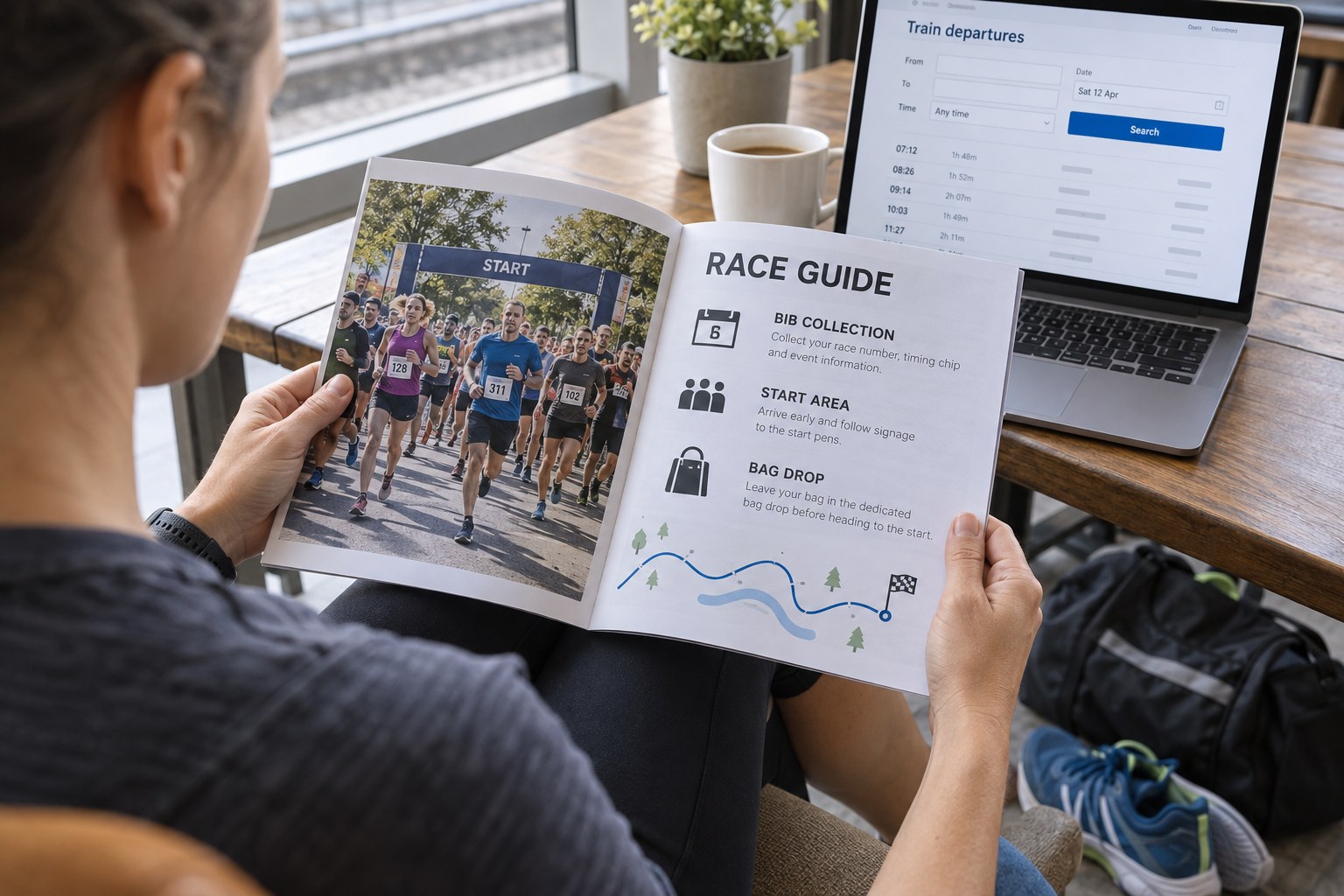
Start with the organiser’s spectator information and access restrictions. Pick a small number of locations that supporters can reach without crossing a closed section or rushing between uncertain transport connections. More viewing points are not automatically better. A calm wait at one identifiable place may be more enjoyable than several hurried journeys that miss the runner each time.
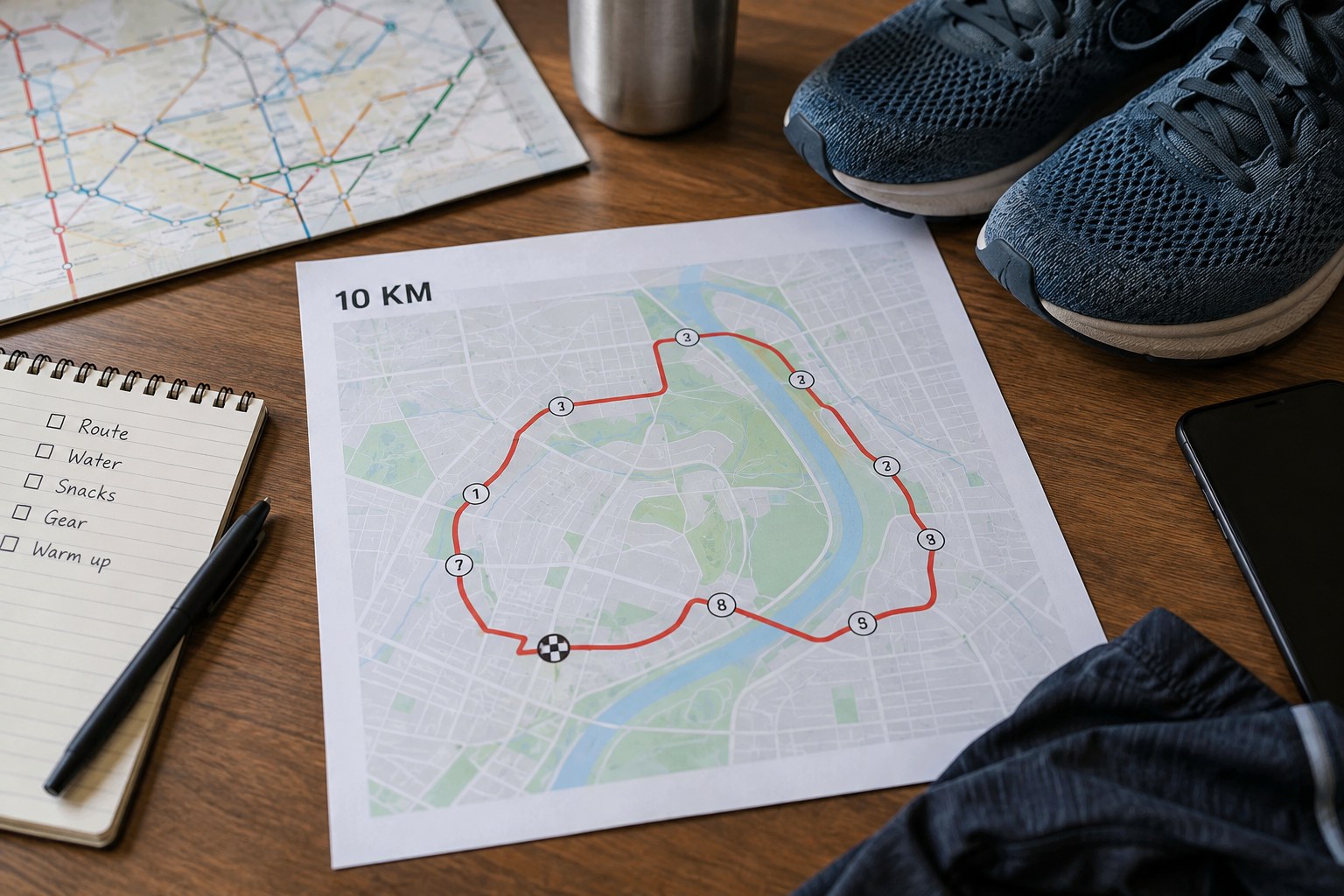
Describe each location using fixed landmarks and the side of the course, not simply near the bridge. Check which bank, entrance or approach is accessible. Share a map pin together with a short written description, since a pin alone can land on the wrong side of a barrier. If the area has poor reception, save the plan before leaving.
Give a window rather than a promise
Estimate a broad arrival window and explain that it can change. The start wave, terrain and stops all affect when you pass. A live tracking service, if the event provides one, is an additional clue rather than a guarantee of exact position. Tell supporters what to do if you do not appear in the expected window, using the organiser’s published information channels where appropriate.
Keep their needs in the plan: shelter, toilets, food, mobility and the patience of anyone travelling with children. Do not turn support into an obligation to stand for hours at an uncomfortable roadside. Agree whether they will wait, move directly to the finish meeting point or follow a simpler alternative if the schedule changes.
Build the supporter’s itinerary independently of the runner’s. Start at their transport arrival, continue to the viewing location, then trace the way to the final meeting point. A location may offer an excellent view but leave the spectator on a bank or street from which reaching the finish is difficult. Resolve that movement before adding another cheering stop. The course map alone may not show the pedestrian arrangements that decide whether the plan works.
Agree on a missed-sighting rule that does not require guessing your speed. For example, a supporter might remain until an agreed time and then proceed to the finish meeting place, without assuming that a missed runner has withdrawn. Write that rule in the shared message. Keep event contact information separate for genuine concerns. This reduces the temptation to chase a moving dot across town, and lets both people distinguish a simple missed encounter from a situation that needs an official enquiry.
Agree what support means
Check event rules before arranging any handover of food, clothing or equipment. Some events restrict outside assistance or allow it only in specified places. A supporter’s presence does not create permission to enter the course or accompany you along a restricted section. Make the plan compatible with the actual rules rather than what happened at another race.
Keep communication short during the run. If you need to change the plan, stop somewhere safe before using the phone. For a missed meeting, a pre-agreed fallback is more dependable than repeated calls in a noisy crowd. Finish with a separate post-race rendezvous so that a supporter who misses you on the course still knows where to go. The plan should help both sides enjoy the day, not make either person feel responsible for a moving appointment they cannot control.