Start with the finish
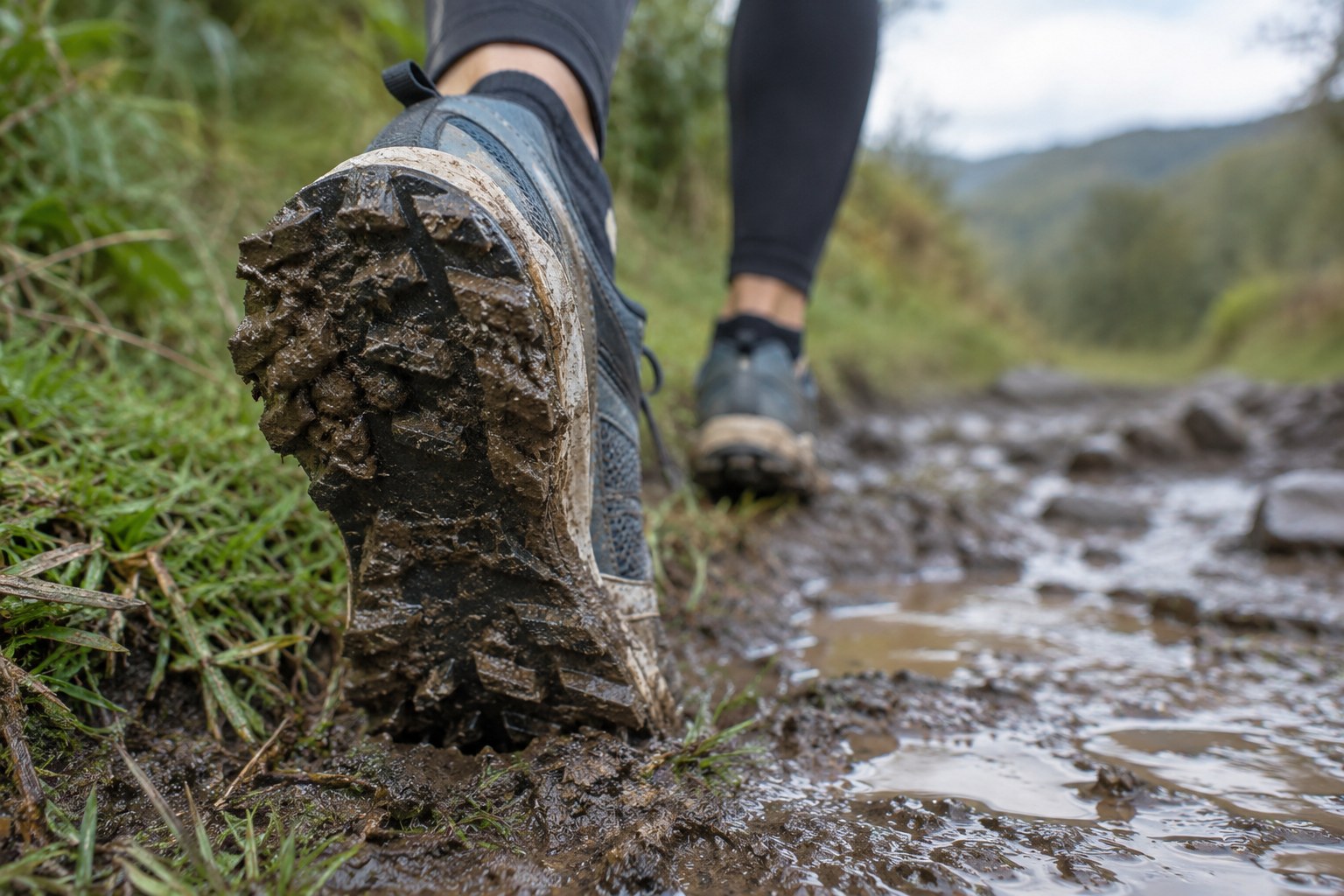
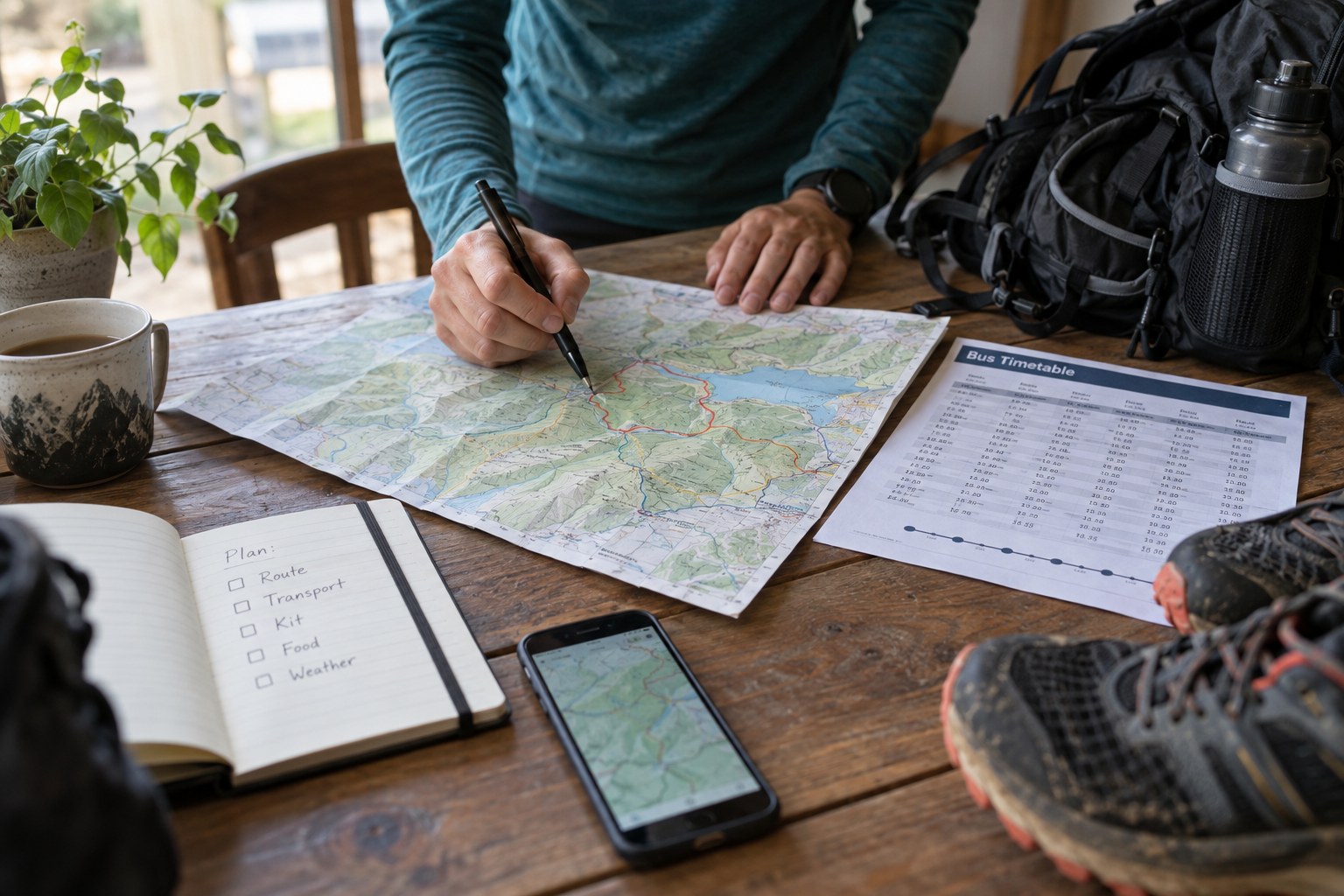
Locate the exact finish and the transport connection beyond it. A station named after a village may not be beside the trail exit. Check the walking link, current timetable and whether the intended service operates on the day. Include time to find the stop and organise wet or muddy kit instead of aiming to reach it at the last possible moment.
If using two cars or a lift, agree where each vehicle will be and who holds the keys. Check that the pickup place is accessible and suitable for waiting. A vague meeting point near the forest can create a long search after the run. Share a precise location and a plain-language description so the arrangement survives a failed map link.
Plan for not reaching that finish
Identify a place where the route can be shortened and examine how you would leave from there. It may require a different pickup or a return to the start. Do not assume that every road crossing offers public transport or phone reception. An alternative only becomes useful when the connection beyond the trail is understood.
Set a decision point before the final section where turning back becomes much longer. Compare actual progress with the time available for the return. If the transport margin has disappeared, revise the plan early. Running faster over unfamiliar ground to catch the last service is a sign that the arrangement has become too tight, not a sensible solution to the delay.
Compare taking transport before and after the run
Where the service and route allow it, compare travelling to the far end first with relying on a departure after the run. Starting with the scheduled journey can remove one later deadline, but it also means checking the first connection and the route back to your own finish. Neither arrangement is automatically better. Write out the sequence for both and notice which one still works after a modest delay.
If someone provides a lift, agree what happens when there is no mobile reception at the planned pickup. A fixed meeting place and a clear waiting arrangement can be more useful than a promise to call when close. Keep changes simple and communicate them before leaving coverage when possible. Do not add an unplanned final road run merely because it appears shorter than waiting; assess that connection as a separate route with its own pedestrian access, lighting and traffic conditions.
Carry the information offline
Save the relevant timetable, pickup details and map area before leaving reception. Keep payment or tickets accessible as needed and check that a digital ticket can be shown under the expected conditions. A phone with the route but no usable return information leaves half the plan unfinished. Protect the device and preserve enough charge for the final journey.
Tell your contact both the trail plan and the return arrangement. If the finish changes, update the person collecting you rather than assuming they will notice a shared location moving elsewhere. On arrival, send the agreed check-in and allow time to change or contain muddy equipment. A good point-to-point outing ends with a straightforward journey home, not a second improvised expedition between the trail and the front door.