Ask what lies outside the frame
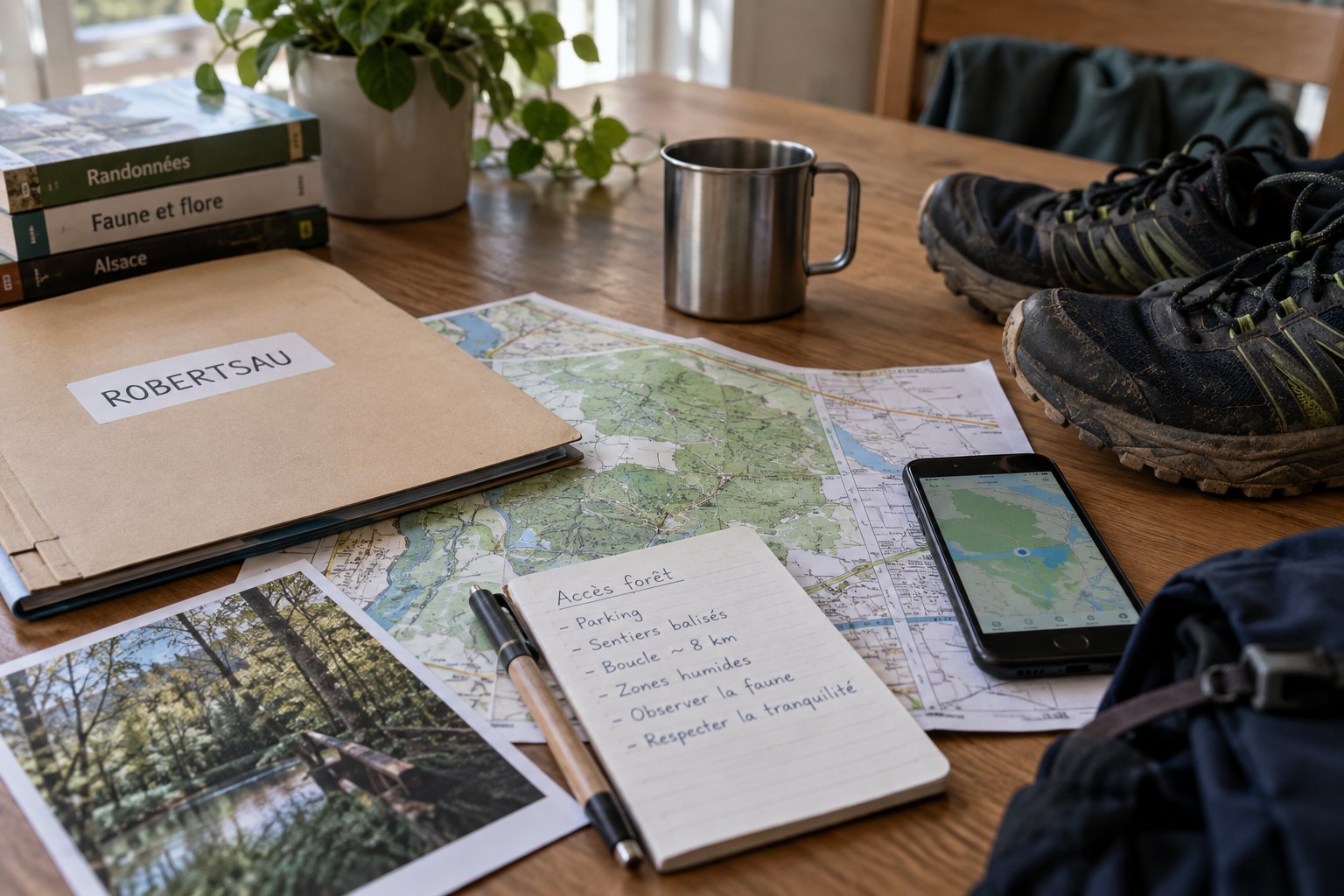
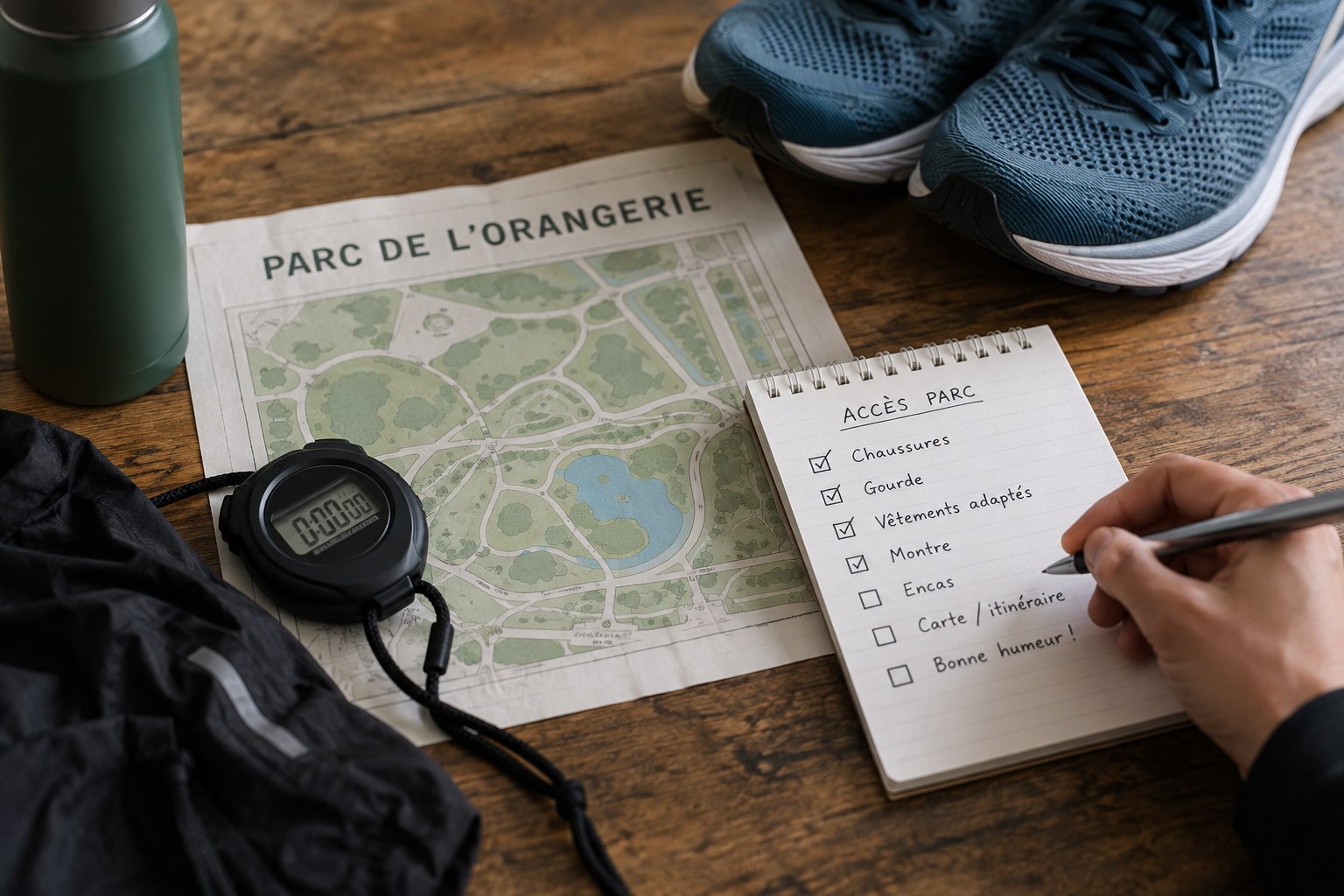
A smooth stretch of path may begin after a difficult approach and end before a missing connection. A photograph does not establish continuity. Locate the scene on the intended route and inspect what comes before and after it on a map and in current route information.
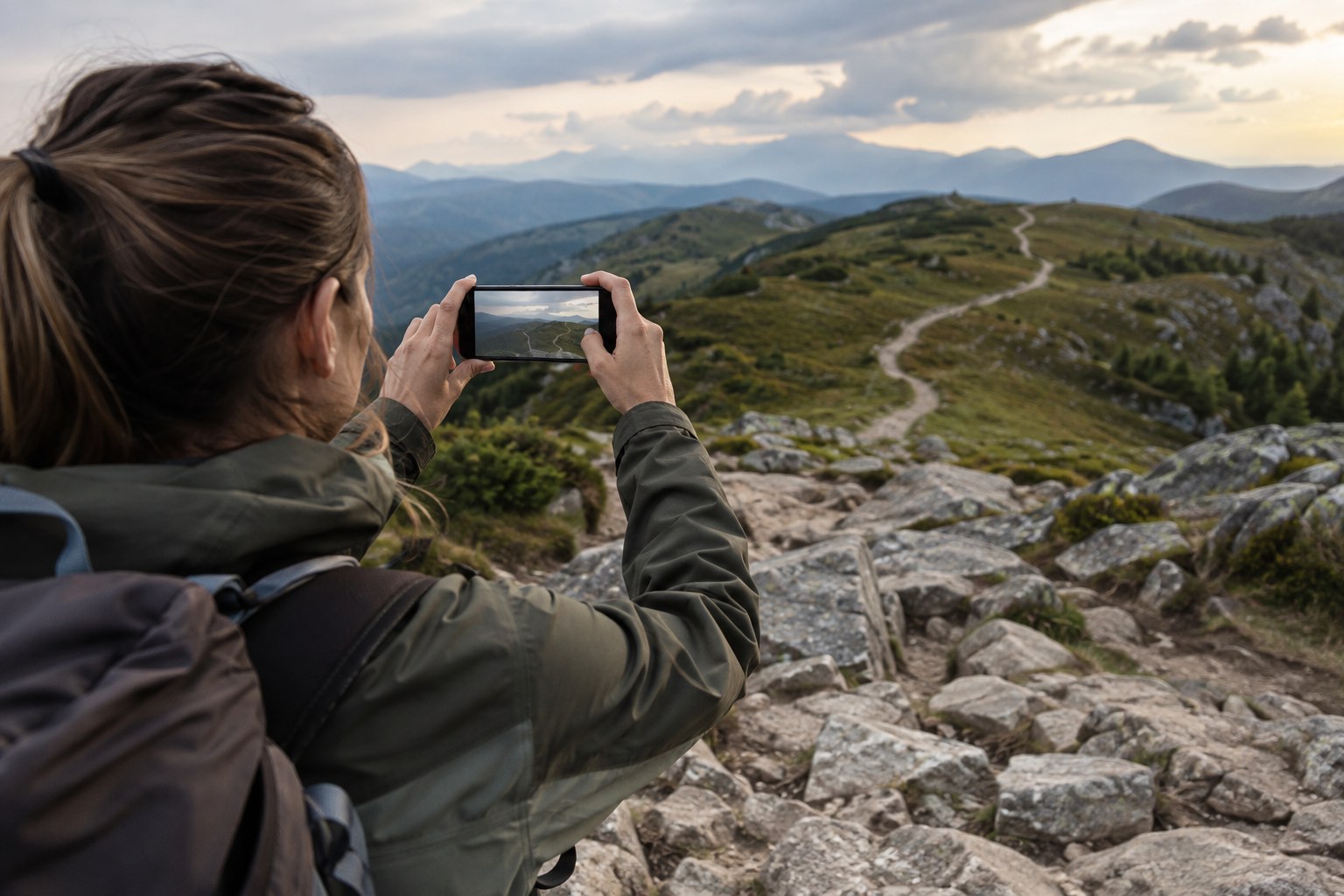
The camera angle also affects what looks obvious. A bend can hide the next section, while a viewpoint may conceal how someone reached it. Avoid interpreting the absence of visible obstacles as proof that none exist. The image may simply have been chosen because the photographer had a clear view.
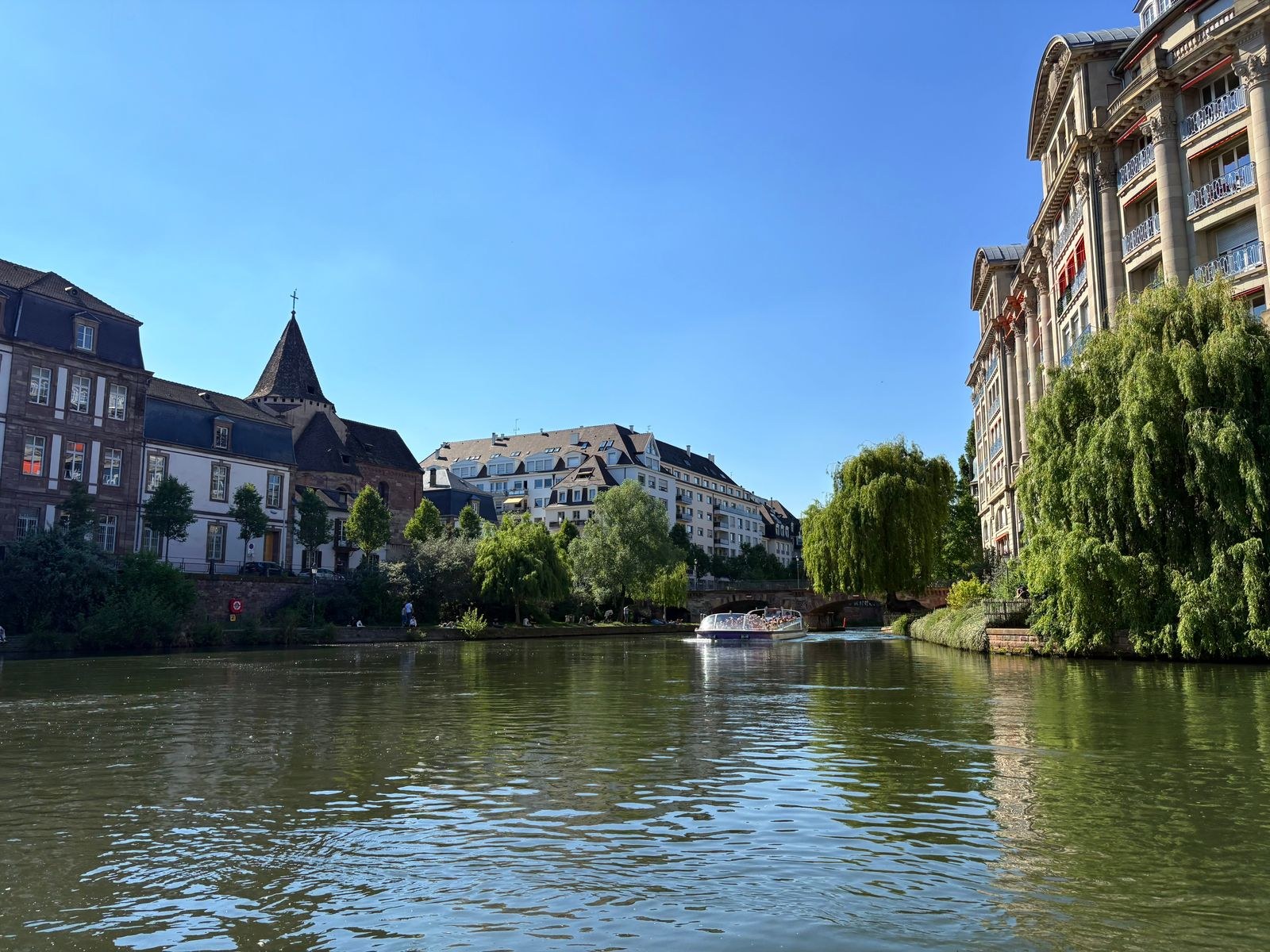
Identify the date if possible. A sunny image can illustrate a place without describing present conditions. Snow, vegetation, surface moisture, closures and temporary works belong to a particular period. When the date is absent, use the photo as an illustration and leave current conditions unresolved.
Separate evidence from an attractive impression
A visible sign may provide a useful lead, but read its scope and seek the current instruction from the responsible source. A photograph of an old notice is not necessarily today's notice. Equally, the presence of people does not establish that every visible route is public or open to every activity.
A person in a picture can help explain scale, but cannot tell you whether a passage suits your own plan. Their equipment, direction and reason for being there may be unknown. Do not infer a running recommendation from an image that was taken during a different kind of visit.
Be particularly cautious about using one dramatic photograph to represent a whole circuit. The most photogenic location may occupy only a small part of the outing. For preparation, an ordinary image of a difficult junction could be more informative than a panoramic view, provided its location and date are clear.
Use photographs as one part of a route record
When taking your own images, pair useful scenes with short notes: the location, direction of view, date and feature you wanted to record. A junction photograph becomes much clearer when you specify which branch the proposed route follows.
Respect other people and avoid publishing private details incidentally captured in the frame. Before sharing, ask whether the picture supports the claim beside it. Describe the visible feature, not conditions across the entire route. The photograph can help another runner recognise a place while the map, current access information and their own judgement complete the decision.