Look around the main subject
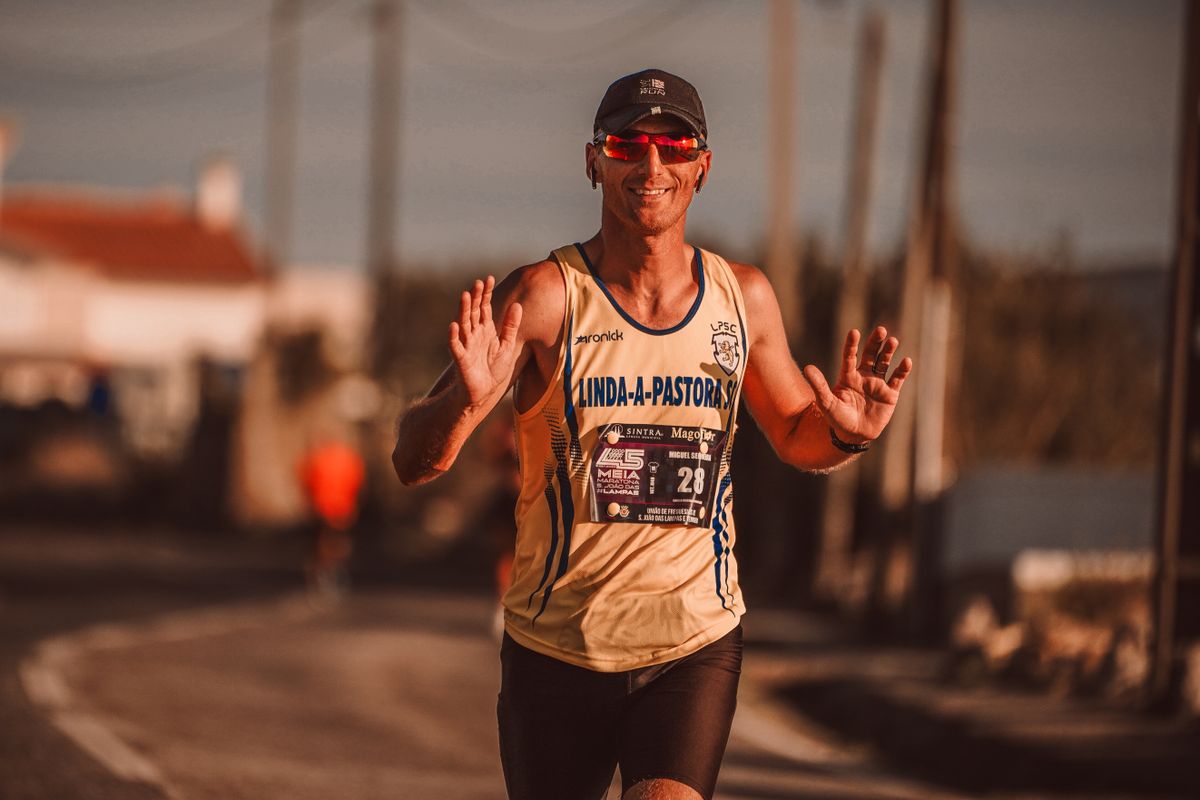
Check who else is visible, what is written on bibs and signs, and whether the picture reveals a private meeting place or travel detail. You may be happy to share your own result without wanting to publish a child’s face or another person’s difficult moment. Choose a crop or a different image that tells your story without unnecessarily exposing somebody else.
If the photograph comes from an official photographer, read the terms attached to that image or purchase. Access to a preview does not necessarily include permission to repost it in every context. Do not remove a watermark to make a preview look like a licensed download. For a picture taken by a friend, ask before using it beyond the audience they expected.
Match the post to the audience
Think about whether the image belongs in a private message, a small group or a public feed. The most convenient share button may default to a wider audience than you intended. Check the current visibility setting rather than assuming it matches the last post. If you attach a route or activity record, review its location exposure separately from the photograph.
Write a caption that stays within what you know. You can describe your own day without guessing another runner’s injury, effort or emotions from their appearance. Avoid presenting a cropped scene as evidence of an incident when you do not know what happened outside the frame. A finish photo is a memory, not a complete account of the race.
Keep an original copy before making edits for a platform. That lets you choose a different crop later without repeatedly saving lower-quality versions. If someone shown in the image asks you to remove it, consider the request promptly and adjust the post where appropriate. Sharing fewer carefully chosen pictures can preserve the memory just as well as uploading every frame automatically.