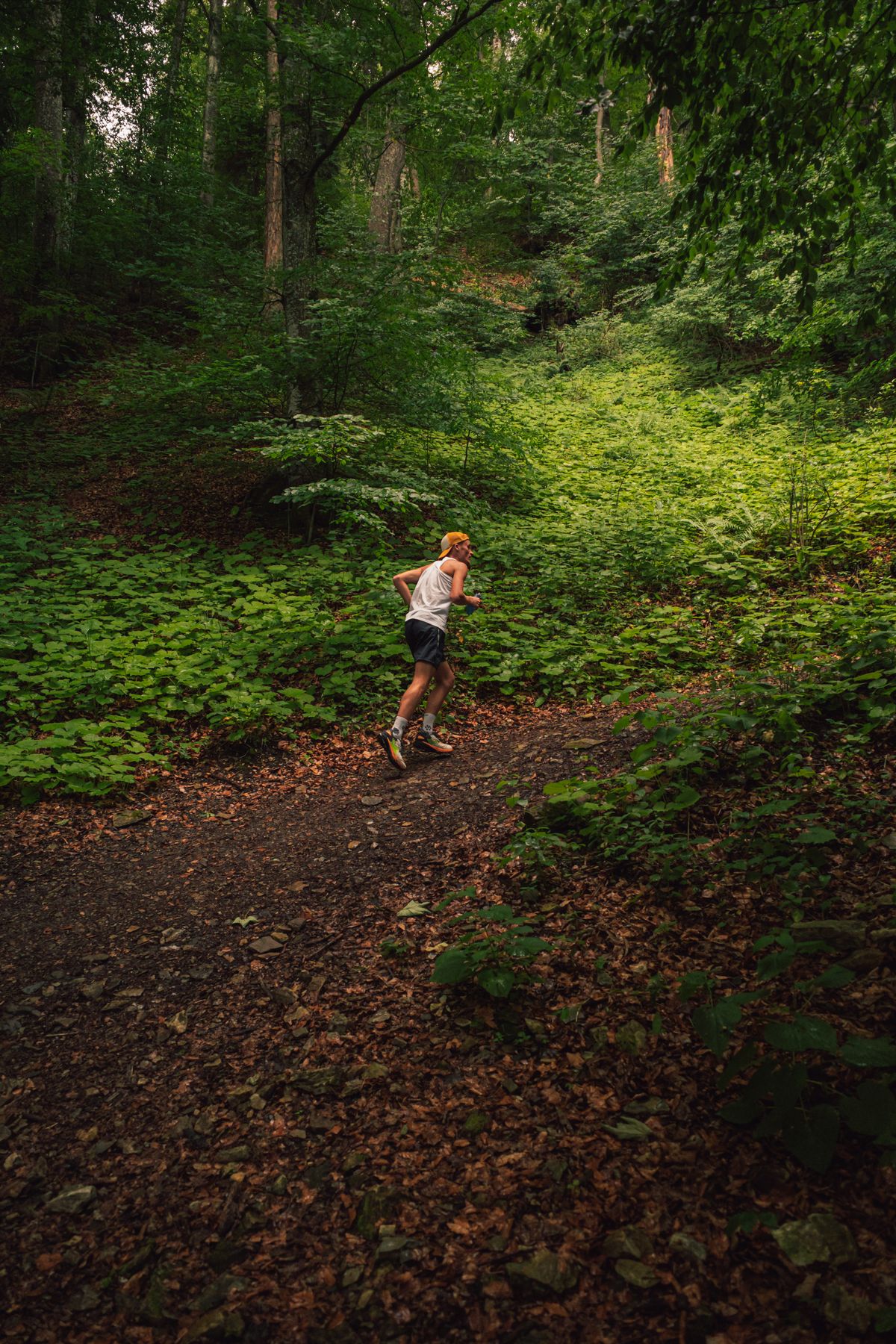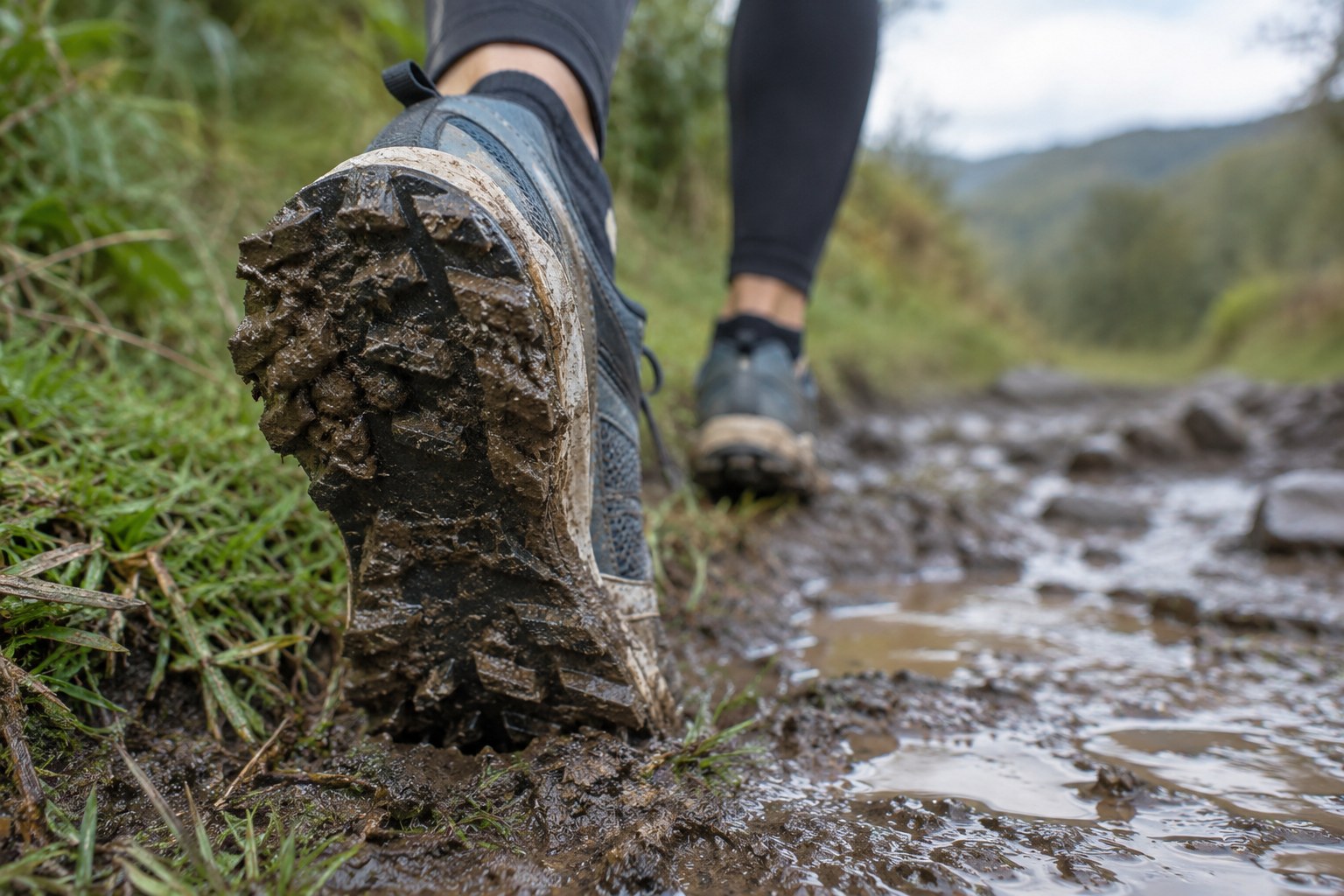
Reduce commitment before distance
Choose a route with easy returns and places where you can stop safely. A shorter point-to-point trail can still leave you committed to a long journey home. A small familiar loop may offer a better choice because you can finish after one circuit instead of discovering halfway through that the only exit is the far end.
Check the forecast and official heat information for the day. Consider the timing of the return, not just the temperature when you leave. Shade on a map is not a guarantee along every section, and a route that begins under trees may cross open ground later. Avoid making an exposed climb the unavoidable final part of the outing.
Remove uncertain supplies from the plan
Carry what the outing requires rather than relying on a fountain or shop you have not checked. A marked water point may be unavailable, and opening hours can differ from the last visit. If a refill is important to the plan, verify it through current information and retain a way to finish without it. Do not make reaching the next source a reason to continue when you want to stop.
Let companions know that the shortened route is the actual plan. Calling it a warm-up before deciding whether to add more can leave social pressure to extend. Agree that finishing early is acceptable and that nobody needs to justify choosing the first return. Keep transport and meeting arrangements compatible with that flexibility.
Keep a record of the setting, not a performance target
Use the outing to observe which parts remain comfortable to organise in those conditions: the shaded start, the accessible exit or the inconvenience of a distant parking place. Avoid turning a slower pace into a problem that needs compensating for later. If conditions are unsuitable, moving the outing or not running is a valid change to the schedule.
Afterwards, update the route note with the practical details you confirmed. Record whether the drinking point was operating, which section was exposed and how quickly you could reach the finish. Keep those observations dated. They help with planning, but they do not establish that the same arrangement will be appropriate during a future hot spell or for another runner.