Use the organiser’s system first
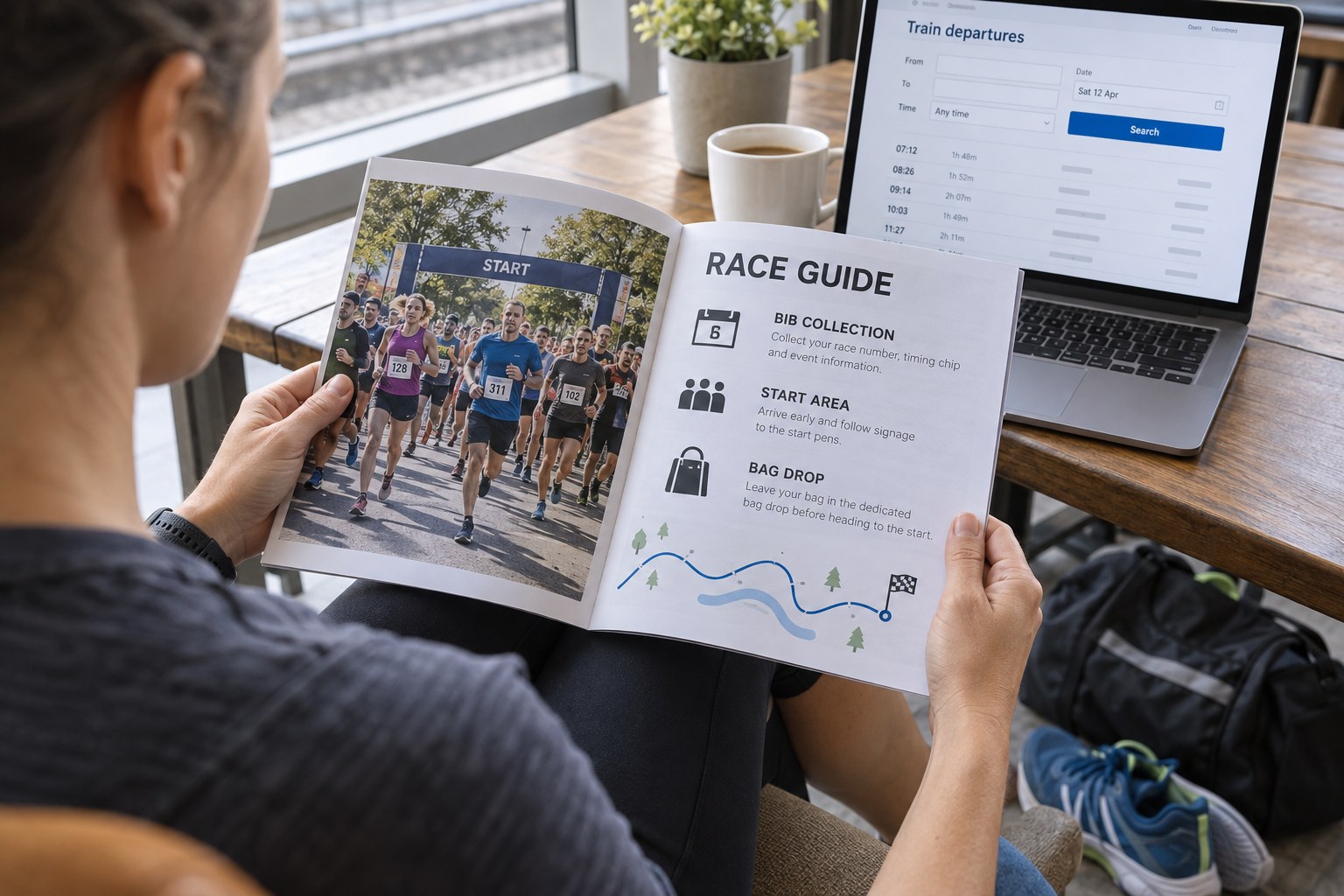
Some races allocate waves or corrals, while others ask runners to arrange themselves behind signs or pacers. Read the current instructions and enter through the access assigned to you. If your entry details have changed substantially, ask about the official process rather than stepping into a different controlled area on the morning of the race.
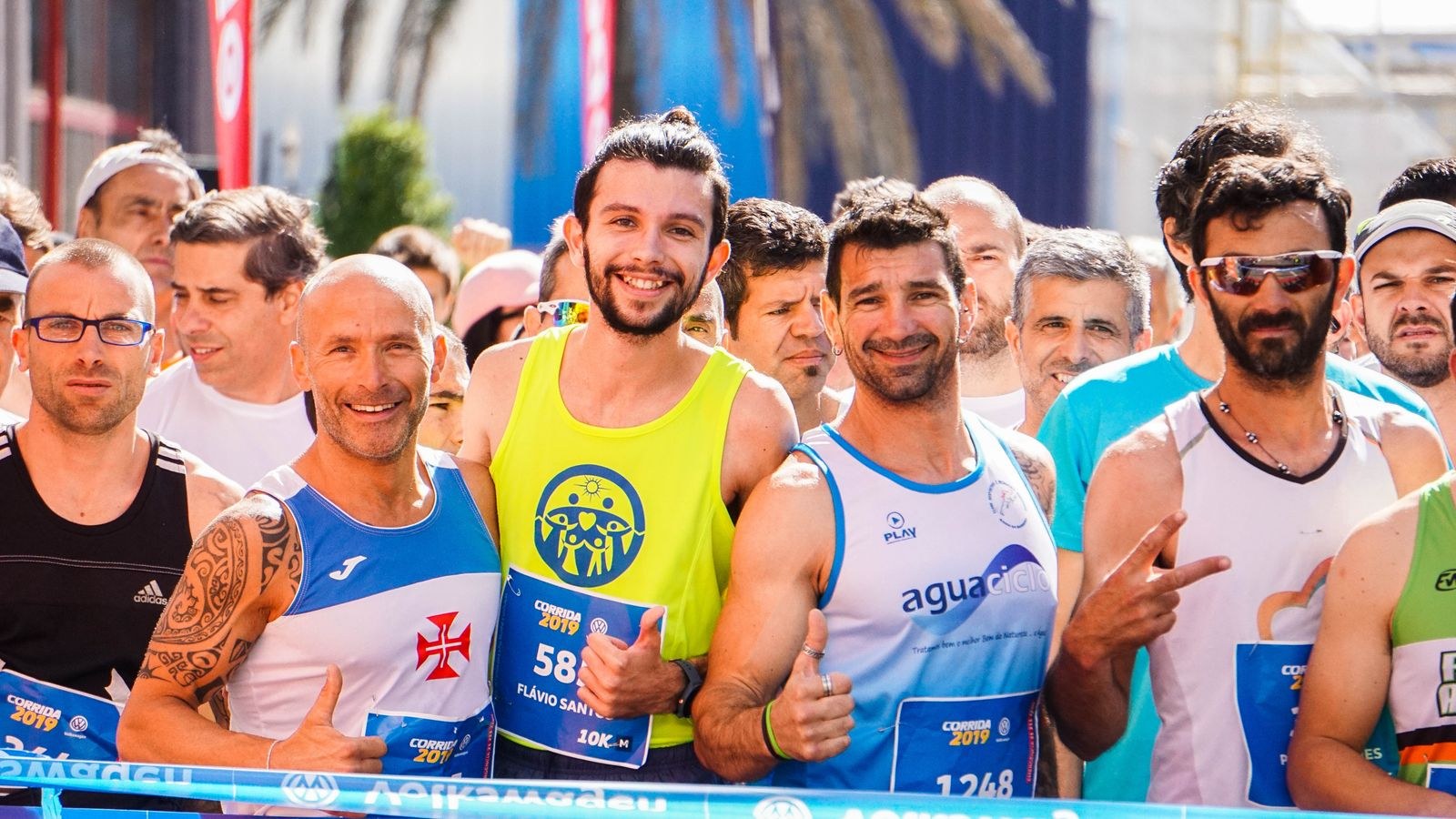
At an open start, consider your likely pace and the density around you. Standing among much faster runners can create unnecessary overtaking immediately after the gun. Starting behind everyone despite expecting a middle-of-the-field pace can create the opposite problem. The sensible place is one that reduces avoidable weaving, within whatever system the organiser has provided.
Leave room for the first few minutes
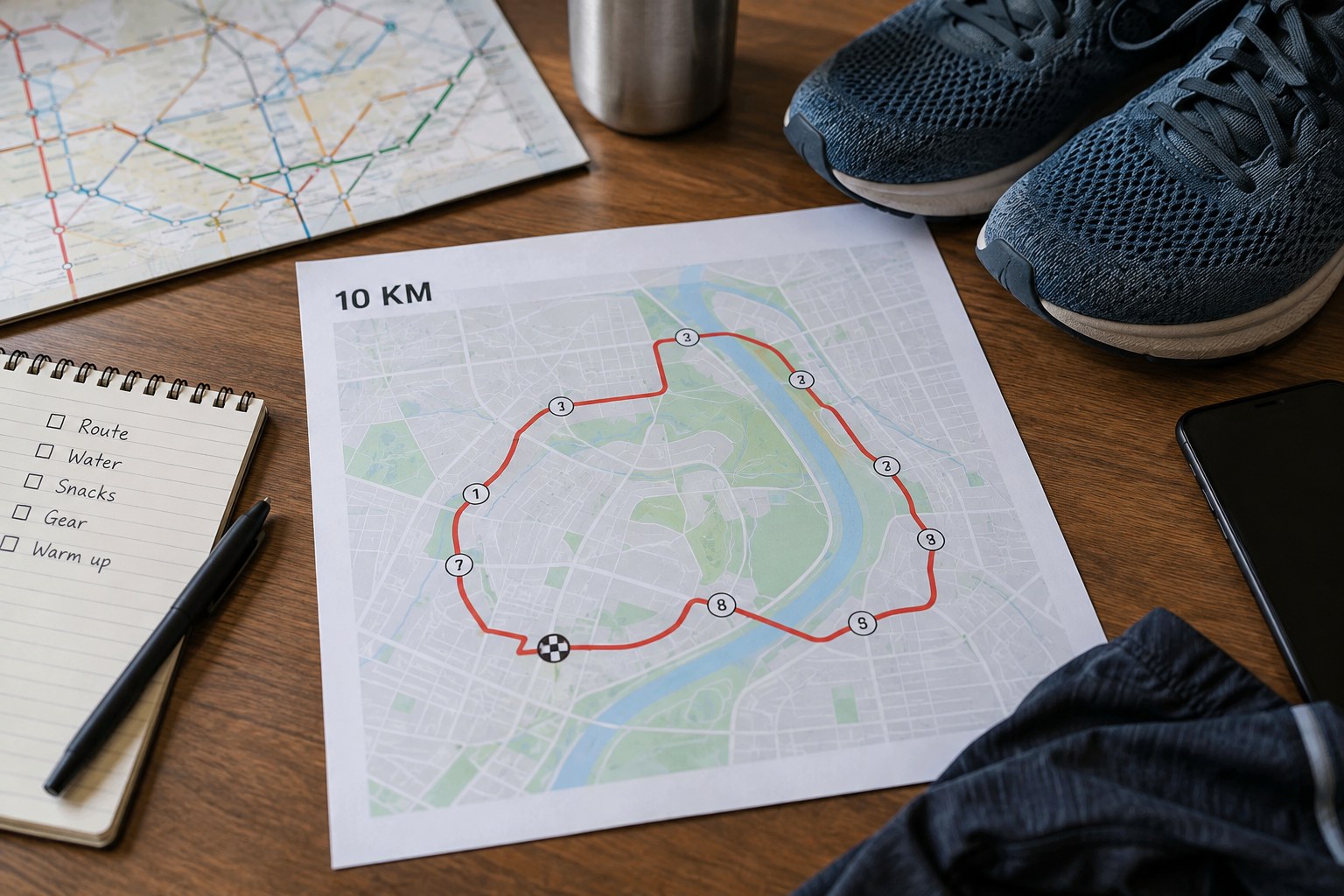
Look at the beginning of the course on the map. An early bend or narrow exit can compress a field even if the street at the start feels wide. This is useful information for choosing a calm approach, not a reason to sprint for a gap. Let space open before trying to establish a precise rhythm.
If you are starting with a friend, agree whether staying together matters more than each person’s individual pace. A vague agreement to see how it goes can lead one person to accelerate while the other tries to maintain contact through a crowd. Choose an arrangement that does not require sudden sideways movements or repeated stops to look behind.
Separate timing from position
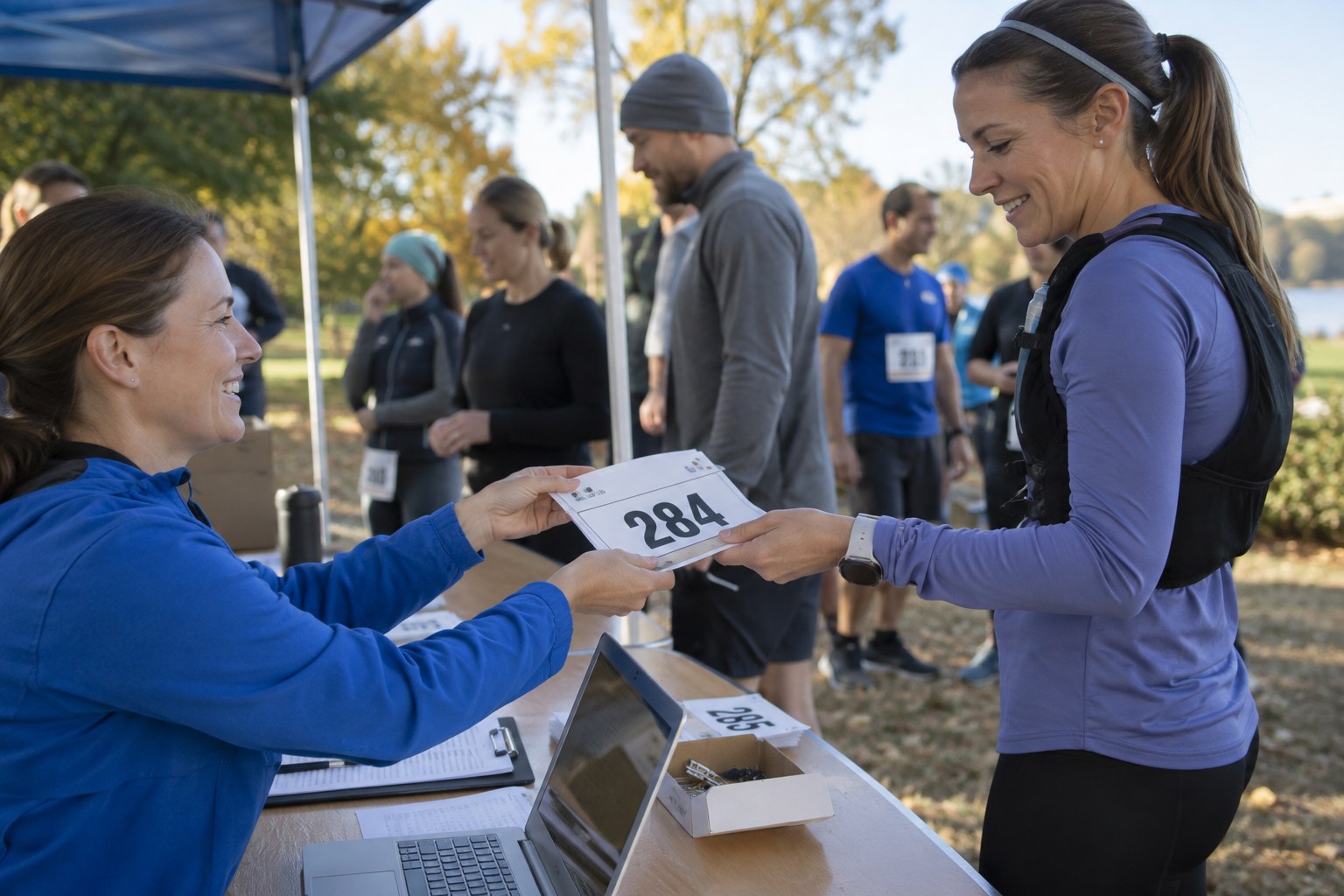
Check how the event records results and any time limits. Do not assume that every published result or cut-off uses the same starting reference. If chip and gun times are mentioned, read the organiser’s explanation for that event. The existence of an individual timing system does not cancel a rule about when a checkpoint closes.
Once moving, concentrate on the space and surface ahead. You do not need to recover every second spent walking through the start. If the group is slower than expected, wait for a clear, considerate opportunity to pass rather than treating the edge of the course as a private lane. A suitable starting position helps, but patience remains part of getting the field safely into its rhythm.