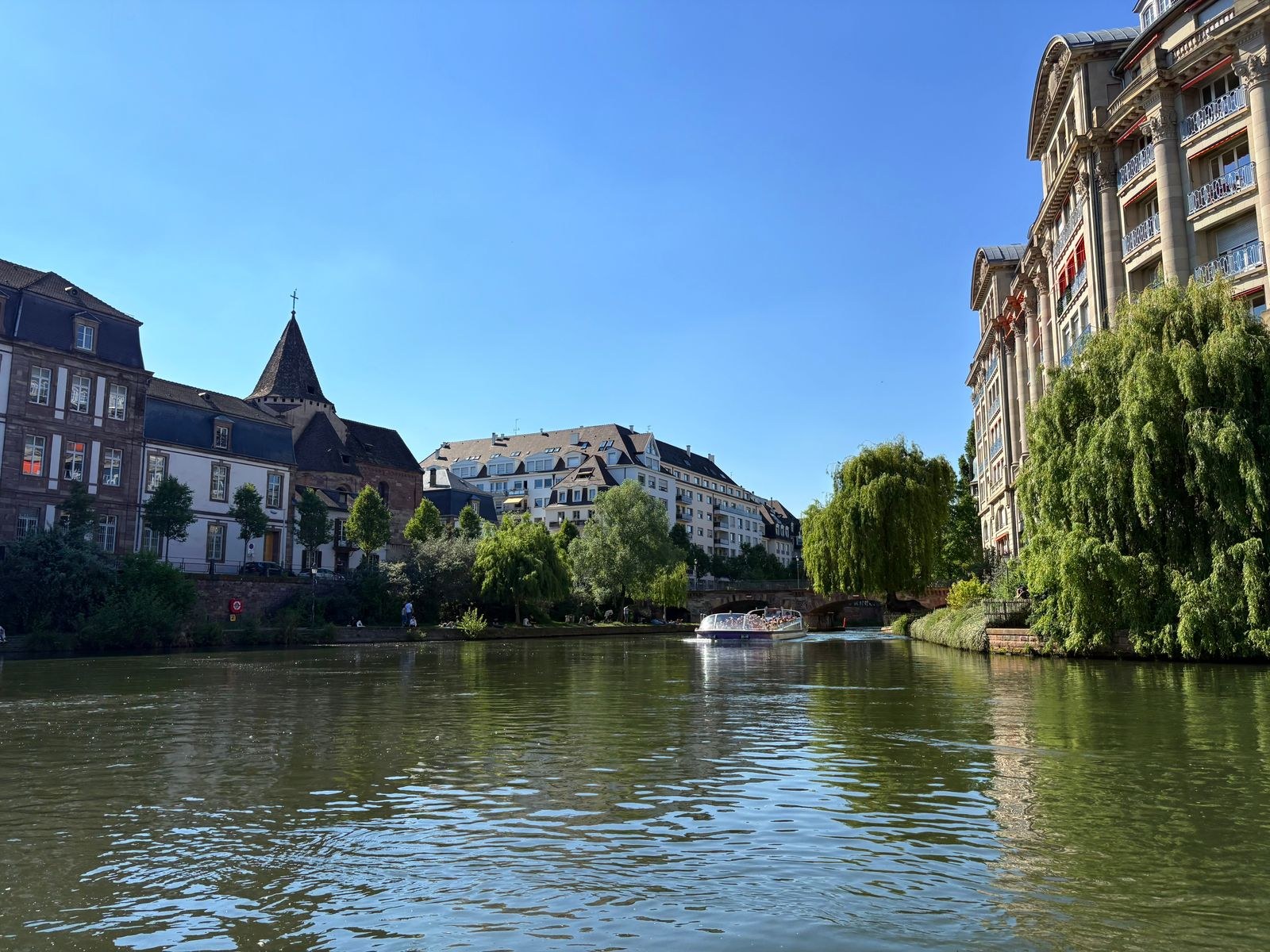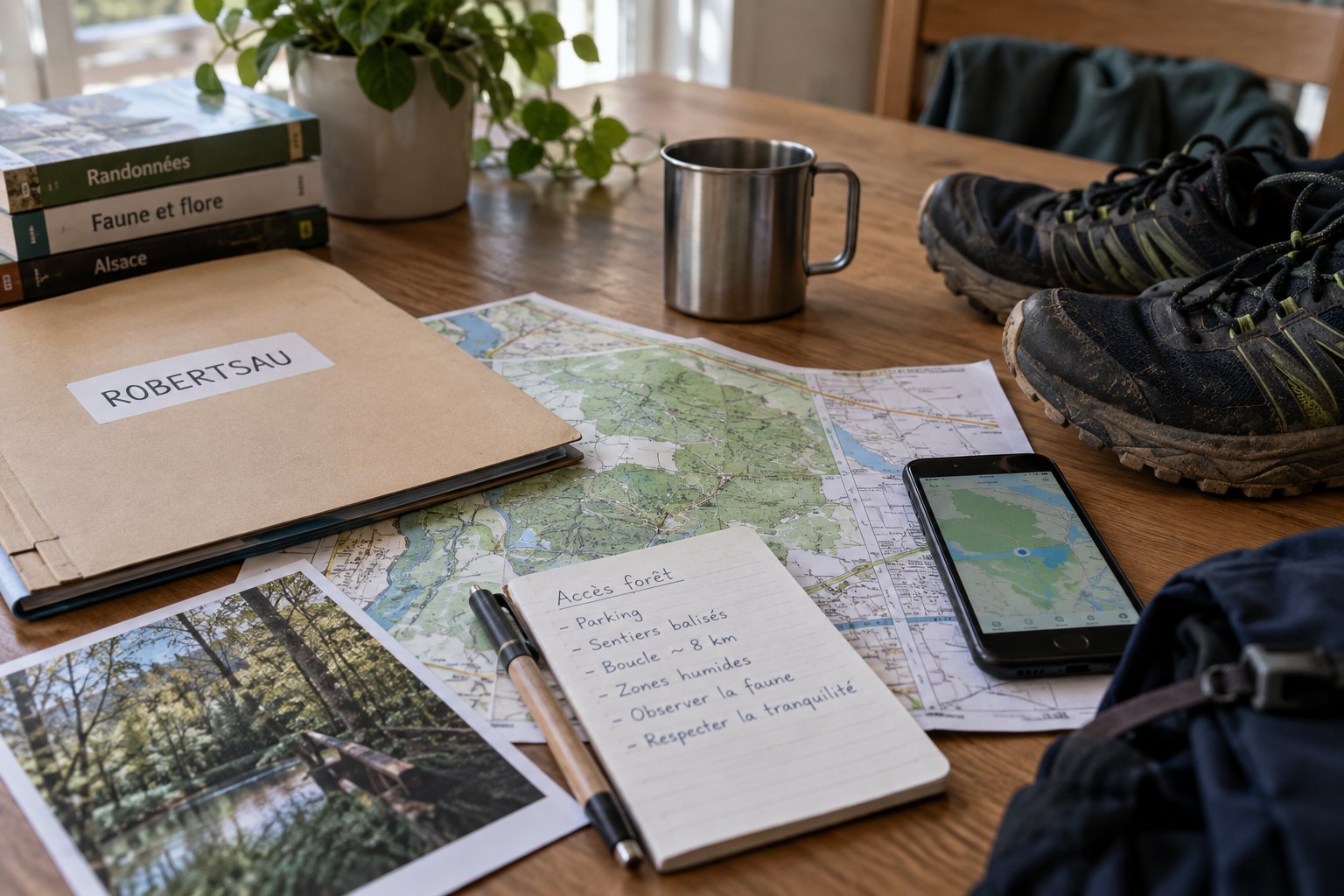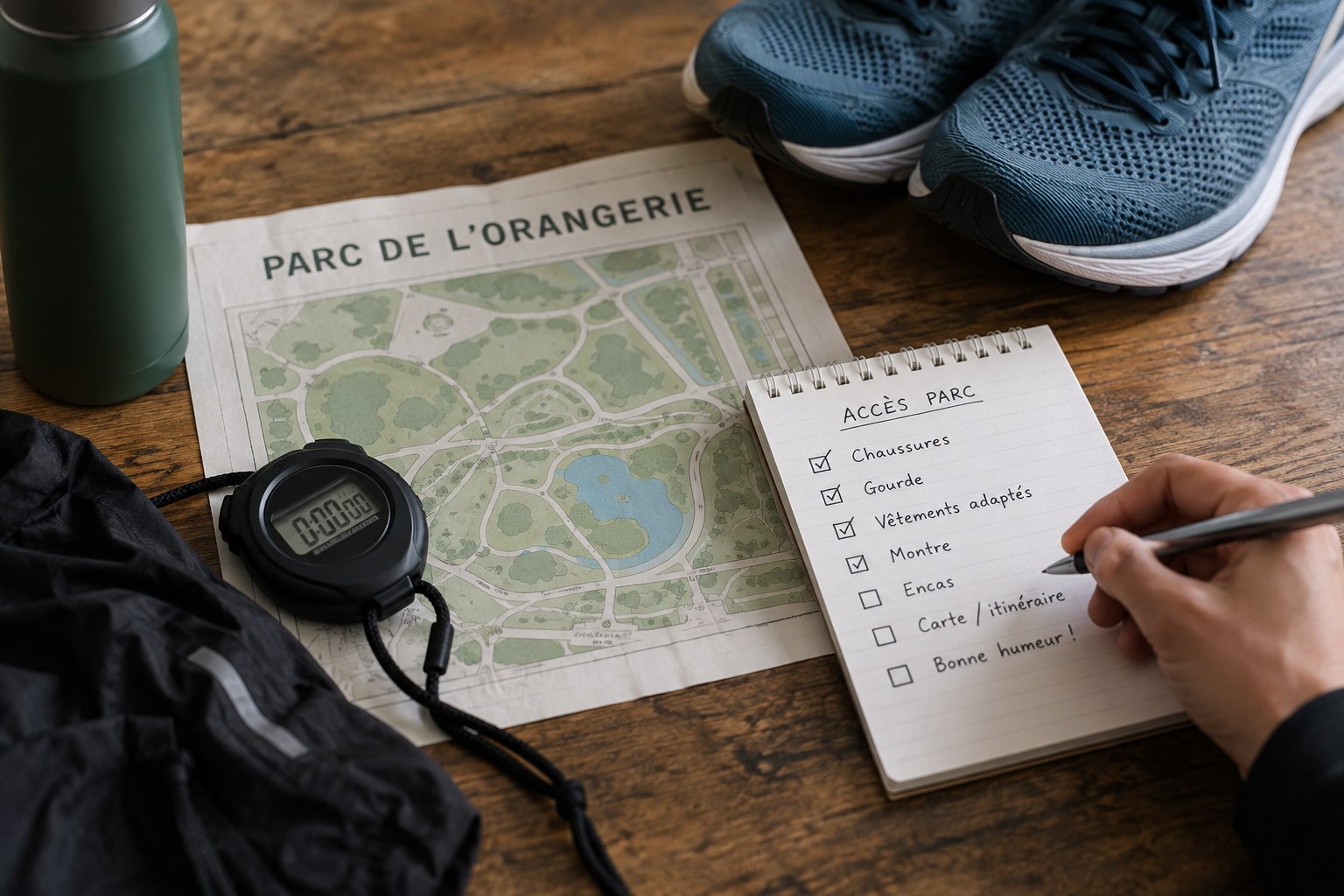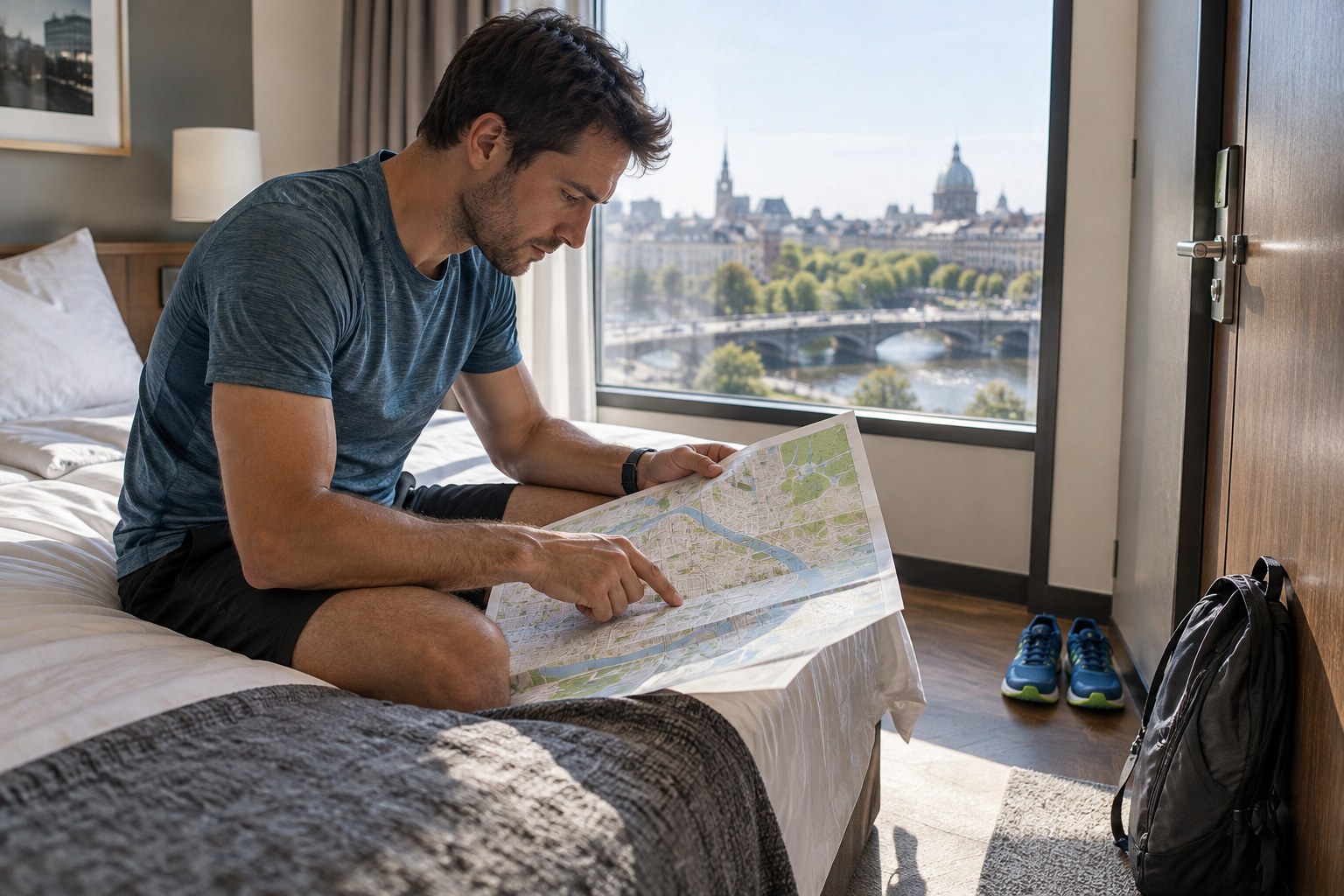
Draw a route for the available hour
Write down when you must be back, including time to wash, eat and reach the next commitment. A morning sightseeing run that consumes the entire gap before a train leaves you with no room for an unfamiliar hotel exit or a delayed return.
Choose a small area with a straightforward connection to your accommodation. Several distant landmarks may look close together on a tourist diagram while the pedestrian connections are awkward. You can visit the remaining sights later without making the run a complete tour of the city.
Check daylight for the actual date and place rather than borrowing expectations from home. If your free period lies partly in darkness, choose routes whose access and suitability you understand. Do not assume that a park shown in green is open before sunrise or that a scenic riverside path is illuminated.
Treat entrances as part of the route
For each park, garden or managed site, find the relevant current opening information. Mark the intended entrance and a way to continue along ordinary public streets if the gate is shut. The fallback should be simple enough to remember, not a second elaborate route requiring another round of research.
Look carefully at connections around large roads, railway sites and enclosed grounds. A map distance between two points does not explain where pedestrians can cross. If an uncertain connection appears at the end of the outing, remove it first: that is when a small detour would most directly affect your return deadline.
Walk the immediate surroundings on arrival if you have the opportunity. Locate the accommodation entrance you will use, the first junction and an obvious return landmark. This short familiarisation can answer mundane questions that a beautiful city image leaves unresolved. It is not necessary to reconnoitre the entire route.
Keep the city visit enjoyable
Carry the accommodation address in a form you can access even if one app fails. If you intend to buy something or use transport, prepare an appropriate payment option rather than assuming a particular café or ticket machine will be available.
Leave space for crossings, pedestrians and a brief look at a place that interests you. A busy pavement is a shared place, not a failed running track. Turn an unexpected queue or closed gate into a reason to use the planned alternative, rather than trying to preserve an unbroken pace.
Afterwards, save only the details that would improve another visit: a convenient entrance, a confusing junction or an opening time that needs checking again. Describe the date and context, because a successful early route on one trip does not establish year-round access.