Pass without creating a surprise
Look ahead for groups, children, dogs and people who may not hear you approach. Reduce speed before reaching a narrow gap rather than deciding at the last moment whether you can squeeze through. If passing needs an announcement, use a calm voice with enough distance for the other person to respond. A shouted warning from directly behind can startle rather than help.
Wait when the available space is uncertain. A pause at a gate or on a bridge is simpler than passing between a person and a dog on a lead. Do not assume eye contact has happened just because you can see someone's face. They may be looking elsewhere or concentrating on their own movement.
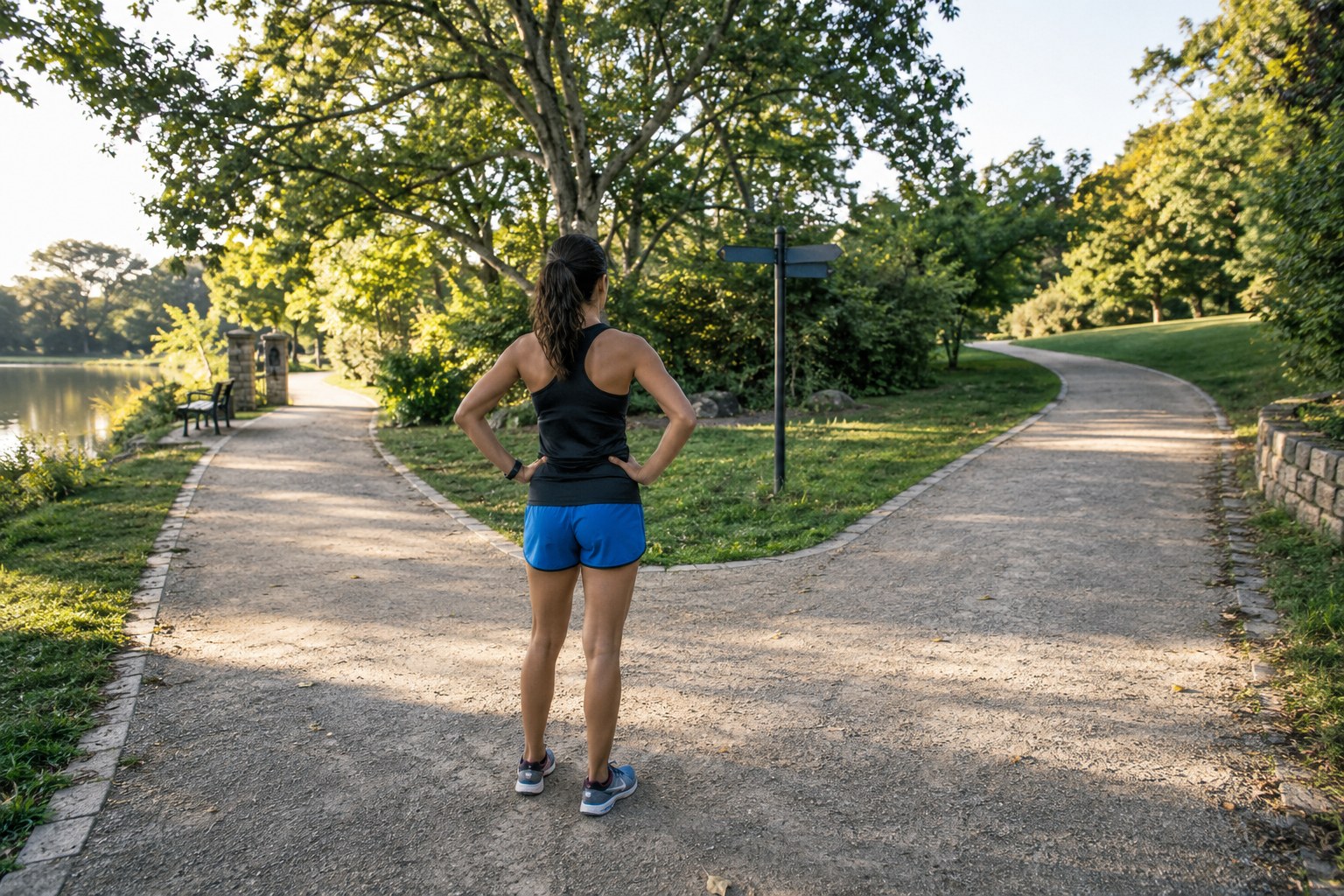
Follow any signs separating pedestrians and cycles. Where there is no marked running side, make your direction predictable and allow room for people coming towards you. The local layout matters more than importing a rule from another park.
Make your own actions easy to read
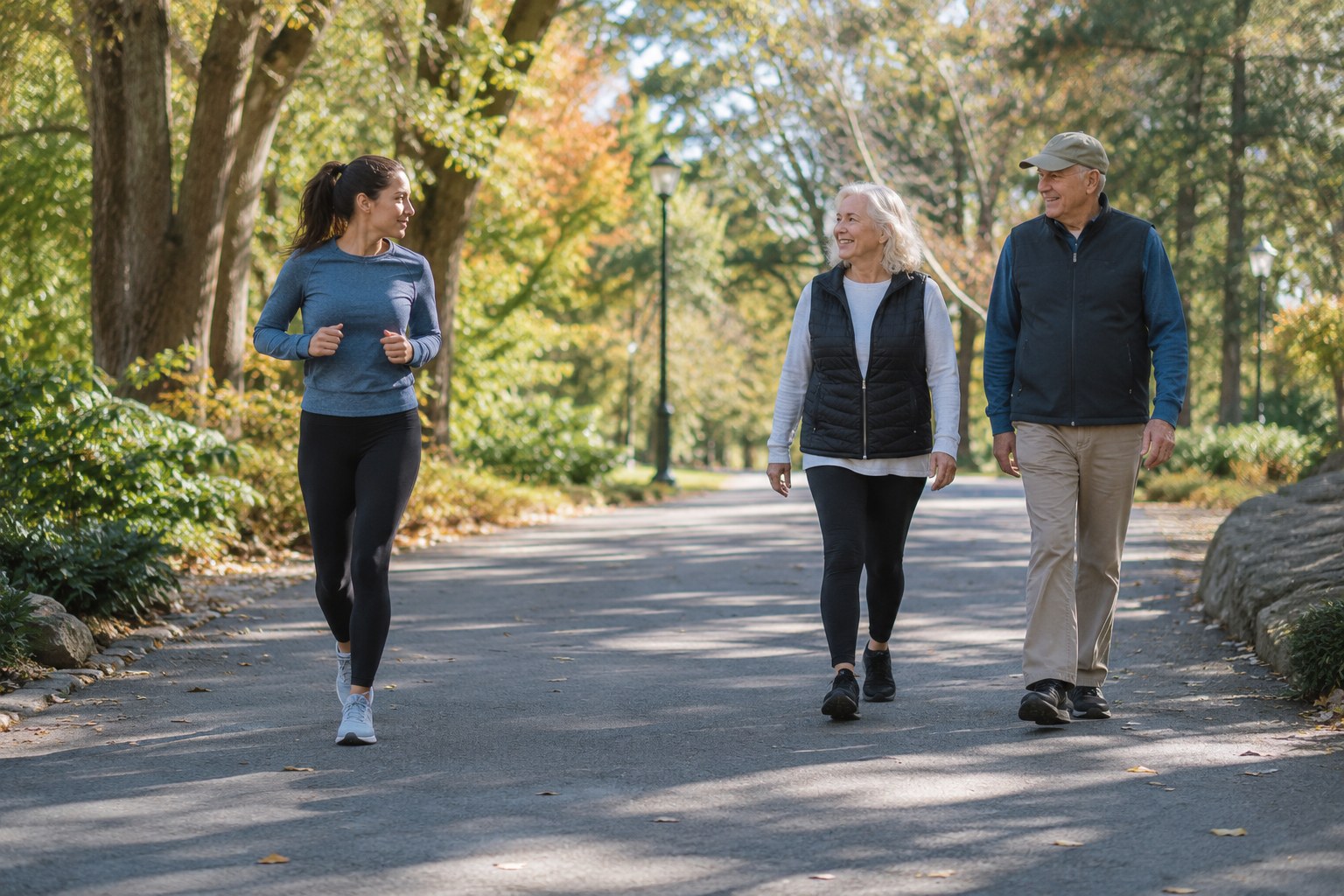
Before stopping to check a watch or tie a lace, look around and move out of the main flow where there is a suitable place. Avoid a sudden stop immediately beyond a blind bend. If running with friends, narrow the group when others need to pass instead of expecting them to step onto mud or grass.
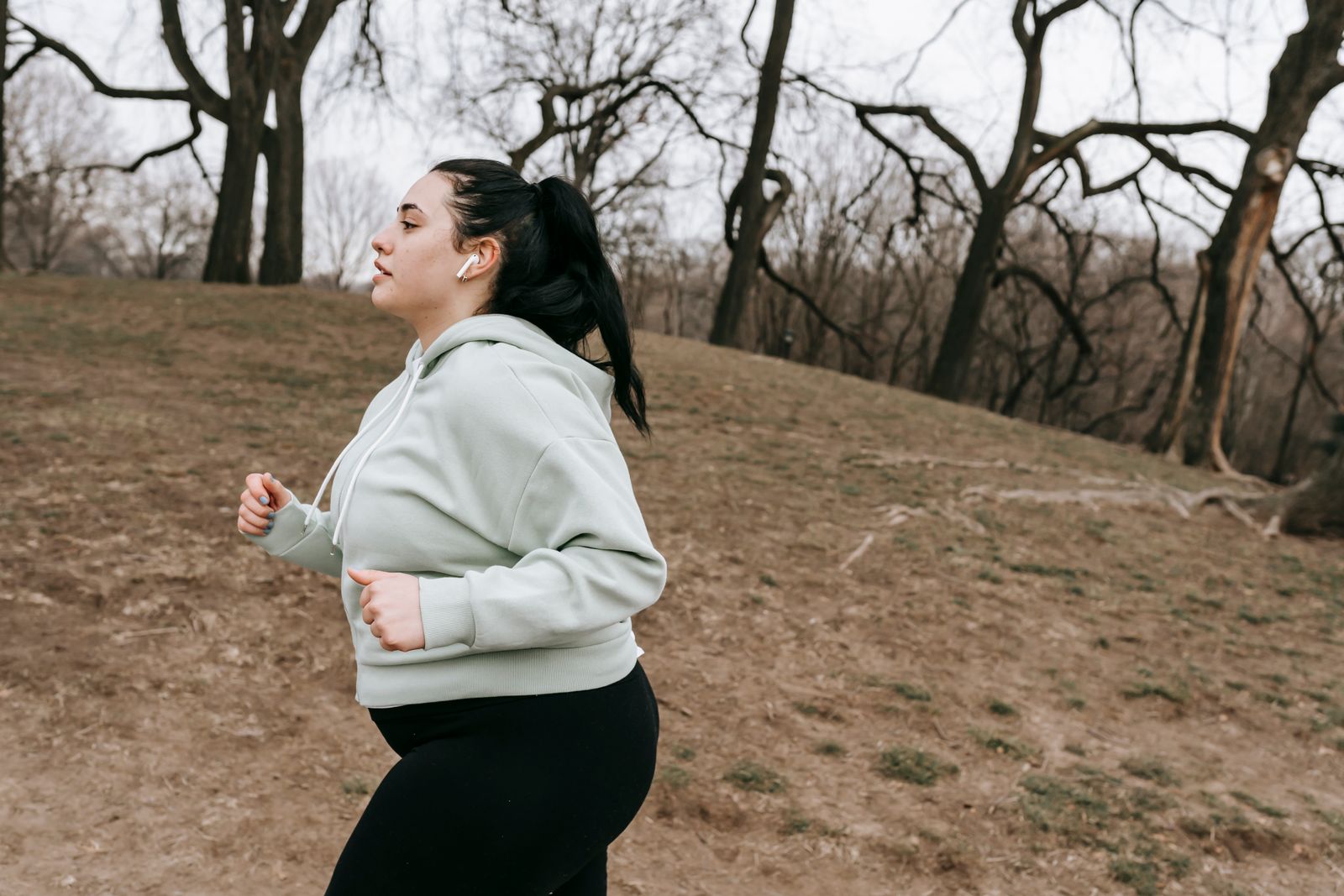
Keep sound at a level that allows awareness of the surroundings. If you cannot hear an approaching bicycle or a spoken request, change the arrangement. The point is to stay responsive, not to preserve a particular listening setup throughout the run.
Choose another route or time if the path is too crowded for the session you intended. An easy social outing may fit while repeated faster efforts do not. You can let the park remain busy without treating every interruption as a problem to overcome. Record the quieter times if useful, while remembering that weather, events and school holidays can change the pattern.