Decide what would make the usual route unsuitable
Rain may change the surface, visibility or comfort of waiting afterwards. A path with puddles near traffic creates a different problem from a sheltered park circuit with reliable footing. Identify the feature that matters on your usual route so that the alternative addresses it.
Do not use an ordinary wet-weather plan for thunderstorms, flooding or another dangerous forecast. Those conditions require a separate decision about whether an outing should happen at all. Check current official information for the place and time involved instead of treating waterproof clothing as the answer to every warning.
Prepare two genuinely different options
One option could be a shorter route on familiar, well-drained paths close to home. Check that its shortcuts and entrances are usable. A covered walkway may be crowded or private, so do not assume it is an appropriate running venue simply because it is dry.
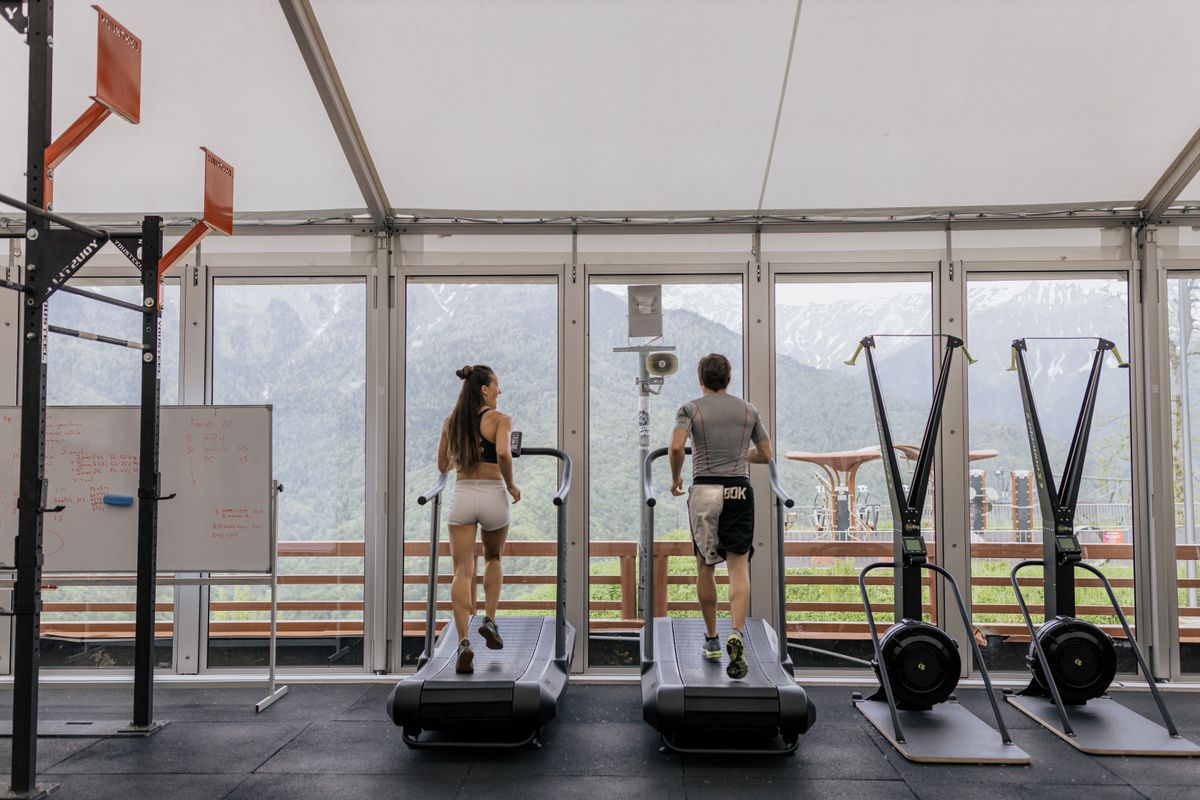
Another option might be an indoor session at a facility you already know, or a walk at a more suitable time. Verify opening hours, access and what you need to bring before the rainy morning arrives. An alternative that requires unfamiliar booking, travel and equipment may create more friction than it removes.
Keep postponement available. A cancelled run does not have to be replaced by a harder activity to retain its value in the calendar. Choose something that fits the day rather than trying to reproduce the original session at any cost.
Organise the wet return
If you go outside, plan where wet clothing and shoes will go. Keep anything needed afterwards separate and dry. Protect the phone according to its actual construction and the conditions; an open pocket is not a waterproof compartment. Check whether zips and controls remain usable with wet hands.
Leave a towel and a place for kit near the return point. If travelling, think about waiting at a bus stop or sitting in a car after the run. The clothing comfortable during movement may not suit a prolonged wait, so include the whole journey in the decision.
Improve the plan after using it
Record whether the alternative solved the problem. Perhaps the paved loop still held standing water, or the indoor venue needed a booking you had not made. Correct the specific detail while it is fresh.
Keep the menu short enough to remember: usual route if suitable, a prepared shorter option, and postponement or another activity. Too many elaborate alternatives can make the decision harder. The purpose is to reduce last-minute improvisation while still responding to the actual weather, rather than following a fixed rule whenever a rain symbol appears.